
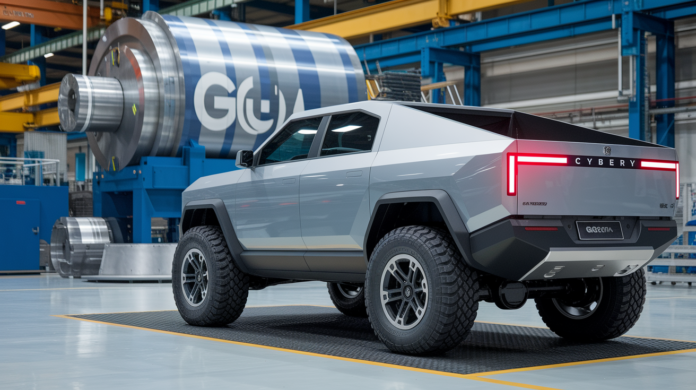

What if the Cybertruck arrives much later than Tesla says?
Delays since 2019 already show the schedule is fragile, and the real risk isn’t hype—it’s technical and supply constraints.
This post explains the key production timeline risks: low 4680 battery yields, hard-to-form stainless steel panels, single-piece casting dependencies, early engineering defects, and certification hurdles.
You’ll learn which problems can stop a ramp, how they affect delivery numbers, and what to watch next if you’re tracking Tesla’s timelines.
Core Risks Affecting the Cybertruck Production Timeline
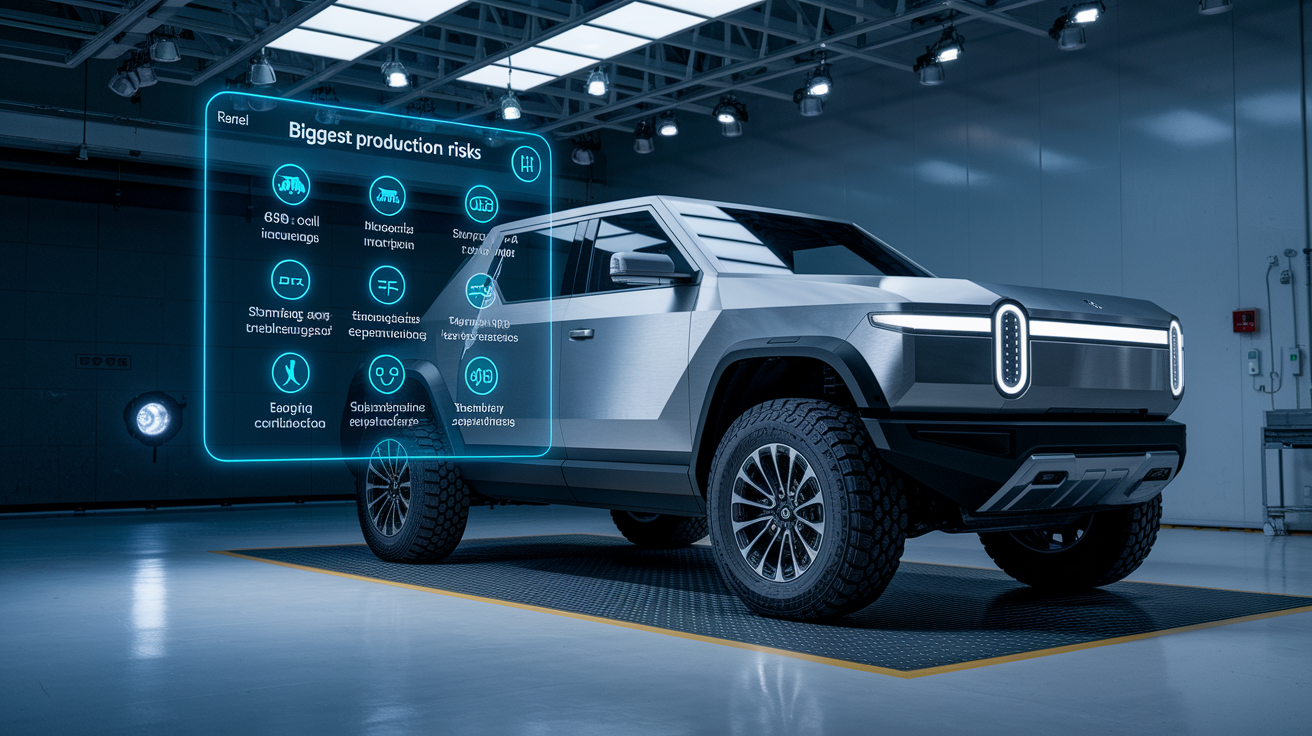
Tesla’s Cybertruck has been slipping since its November 2019 reveal. Originally slated for late 2021, the date moved to 2022, then late 2022, and eventually mid-2023. By mid-2024, real customer deliveries were still pretty thin on the ground. Industry watchers and Tesla’s own leadership have said outright that “start of production is always very slow,” and 2023 expectations settled around just 5,000 to 10,000 units. Tesla typically takes a bit over a year to hit about 5,000 units per week, so 2024 estimates center on roughly 150,000 Cybertruck deliveries. That’s if nothing major breaks.
The biggest threats? Battery cell availability, manufacturing readiness, and unresolved engineering problems. Early prototype checks in January 2022 flagged serious defects: powertrain trouble, braking system failures, structural weaknesses, suspension faults, and sealing issues. Each of these needs more design work, validation testing, and regulatory sign-off before high-volume production can start. Meanwhile, the 4680 battery cell sits at the heart of the Cybertruck’s structural pack setup, and it’s been struggling with low yields and unclear performance wins. Reports from Austin say that 4680-equipped Model Y vehicles show no meaningful weight savings and deliver fewer miles per charge compared to older 2170 cells. That raises real questions about whether the Cybertruck’s battery plan will hit volume targets.
The six biggest risks shaping the schedule:
- 4680 cell production yield and availability – Low output directly limits how many vehicles can be built.
- Structural battery pack integration – Repairability, recycling complexity, and manufacturing tolerances haven’t been proven at scale.
- Stainless steel exoskeleton forming – Large, hard panels need specialized dies and high rework rates eat up cycle time.
- Large single-piece casting dependencies – Giga Press tool failures or low yields can stop entire assembly lines for weeks.
- Early engineering defects – Unresolved powertrain, braking, structural, suspension, and sealing issues push out validation timelines.
- Regulatory and crash-test certification – Nonstandard geometry could trigger extra scrutiny and force design changes that need new tooling.
Cybertruck Timeline Breakdown and Announced vs. Actual Milestones
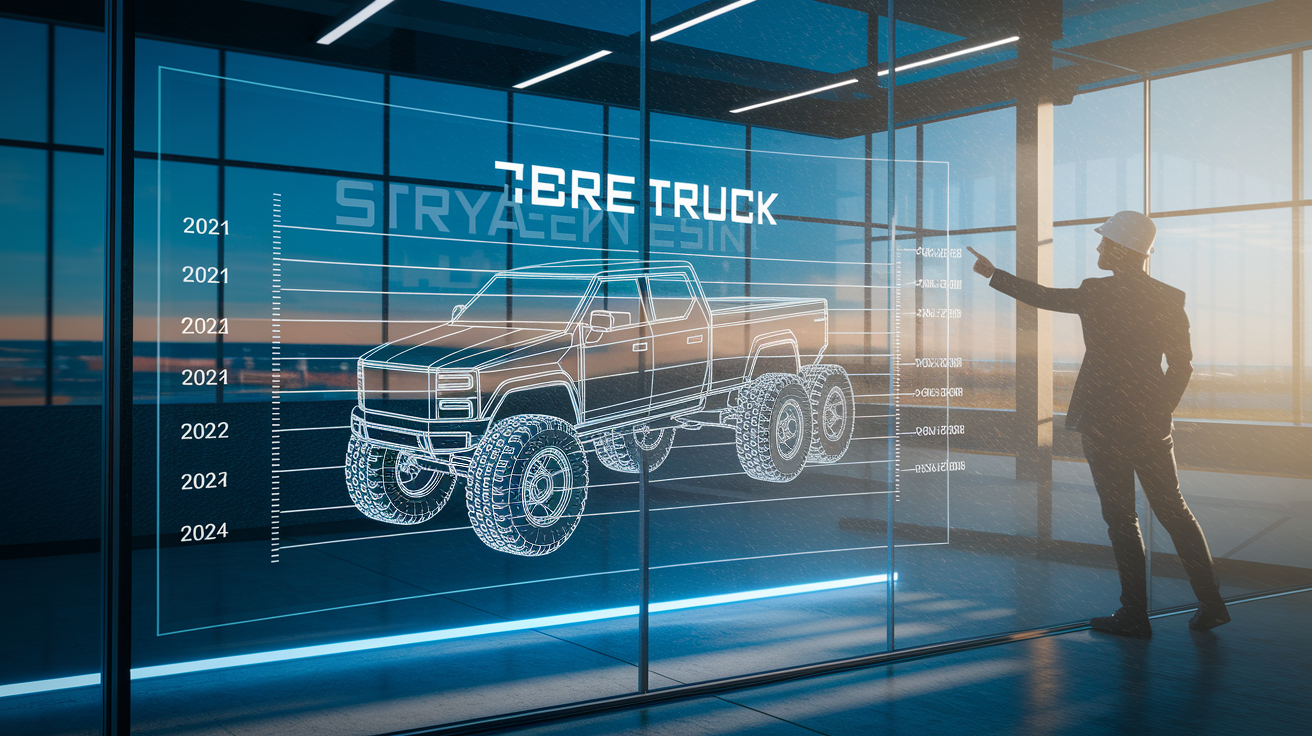
Tesla unveiled the Cybertruck in November 2019 with a promise to start production by the end of 2021. That didn’t happen. Updates shifted the timeline to 2022, then late 2022, and finally mid-2023. In March 2022, Tesla said Cybertruck development would wrap in 2022 to allow production in 2023. By June 2022, CEO Elon Musk said production would probably start “maybe sometime this summer” of 2023, but added that early production is always slow. Volume output is the real milestone.
Release-candidate vehicles were expected by the end of August 2023, signaling readiness for limited initial runs. Tesla told suppliers it was targeting 375,000 Cybertrucks annually, and Musk publicly mentioned a range of 250,000 to 500,000 units per year. Those figures are aspirational. Lars Moravy, Tesla’s VP of Vehicle Engineering, said production lines were being built and the ramp would stretch into the following year. 2024 is the first year meaningful volumes can realistically show up.
| Year | Announced Milestone | Actual Outcome |
|---|---|---|
| 2021 | Production start by end of 2021 | Missed; no production occurred |
| 2022–2023 | Development completion in 2022, production in 2023 | Limited pilot builds only; no mass deliveries in 2023 |
| 2024–2025 | Volume ramp targeting 250,000–500,000/year | Estimated ~150,000 deliveries in 2024 if ramp proceeds without major disruptions |
These repeated slips hurt customer confidence and complicate investor forecasts tied to revenue recognition and production capacity at Gigafactory Texas.
Manufacturing Challenges Tied to the Cybertruck’s Unique Design
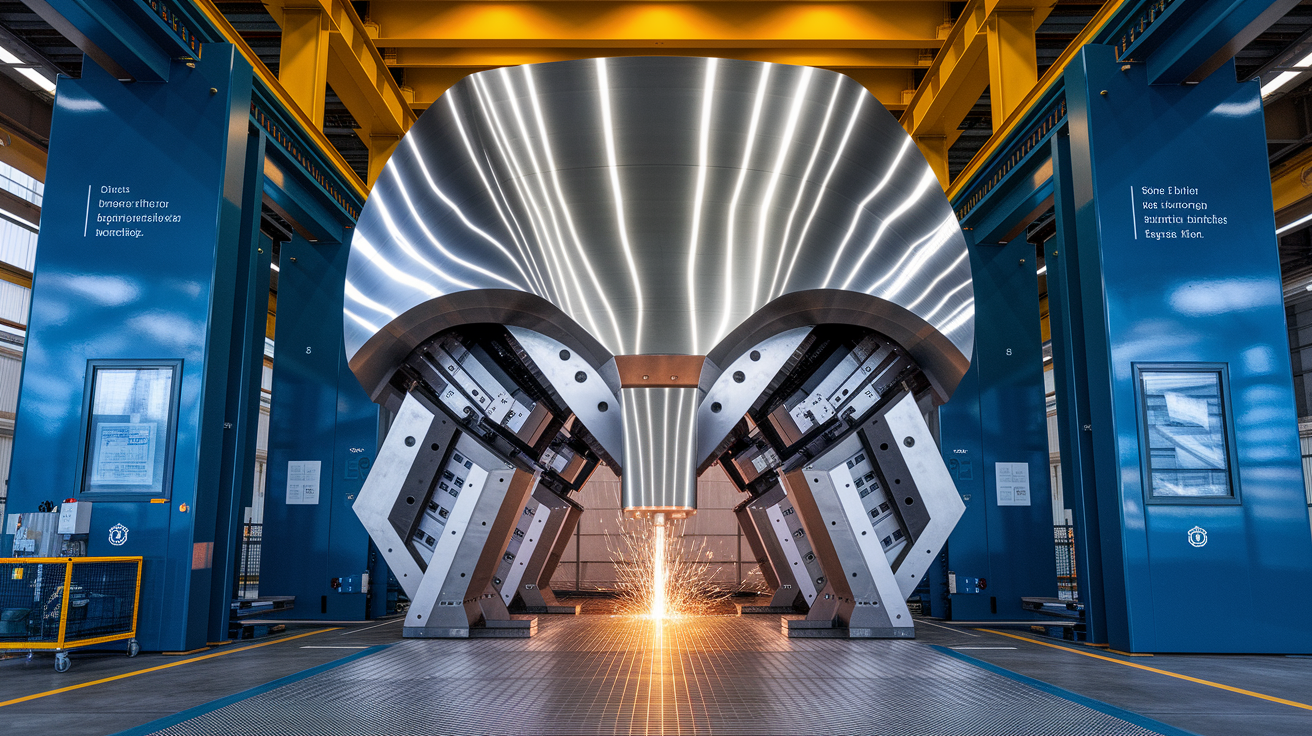
The Cybertruck doesn’t use conventional truck construction. It’s built with a stainless steel exoskeleton instead of a painted steel or aluminum body-on-frame. This ultra-hard material resists deformation, which complicates stamping, forming, and welding. Standard automotive presses struggle to shape large stainless panels without cracking or excessive springback. Rework rates climb when tolerances aren’t met on the first pass, adding cycle time and scrap costs. Every defective panel that needs manual correction slows the line and raises per-unit expenses.
Tesla’s reliance on large single-piece castings concentrates risk. Fewer parts mean simpler assembly in theory, but a failed casting tool or low yield on a critical structural component can stop production entirely. Replacement dies for these enormous presses can take months to manufacture and commission. Any flaw in the casting process needs root-cause analysis and re-validation before full-speed operation resumes. This single-point-of-failure exposure gets worse when only one or two presses handle a specific part.
Novel joining techniques and automation sequences extend commissioning timelines. The Cybertruck’s assembly flow doesn’t mirror Tesla’s existing Model 3 or Model Y lines, so every station needs custom tooling, programming, and validation. Early defect rates tend to be higher on new lines until operators and engineers debug process windows. Iterative adjustments consume weeks or months during ramp-up.
Stainless Steel Forming & Casting Complexity
Forming stainless steel into large, tightly toleranced panels requires specialized stamping dies and elevated press tonnage. Stainless work-hardens as it’s shaped, meaning each bend or draw operation increases the material’s resistance to further deformation. Dies must be engineered to compensate for springback and edge cracking, and surface finishes must meet aesthetic standards without traditional paint to hide imperfections. Any visible defect on an unpainted stainless panel is immediately apparent to customers, raising quality-control thresholds.
Casting complexity centers on the sheer size and weight of structural components. Pouring molten aluminum into multi-ton molds, managing thermal gradients during cooling, and ensuring porosity-free results all need tight process control. A single porosity defect or dimensional mismatch can turn an entire casting into scrap, and detecting these flaws often requires X-ray or ultrasonic inspection that adds time. When yields drop below targets, the entire assembly schedule slips until the casting line stabilizes.
Battery Constraints and 4680 Cell Risks Impacting Production Ramp-Up

The 4680 battery cell is central to the Cybertruck’s structural pack design, where cells are bonded directly into the vehicle’s floor rather than housed in a removable module. This was supposed to cut weight, boost energy density, and simplify manufacturing. In practice, 4680 production has consistently missed volume targets, and early real-world data from Austin-built Model Y vehicles equipped with 4680 packs show no clear weight advantage over 2170-based packs. Range per charge has also been reported as lower, which raises questions about whether the cell delivers the expected efficiency gains.
Low cell yields translate directly into vehicle production bottlenecks. If battery pack assembly can’t keep pace with body and powertrain build rates, finished vehicle bodies sit idle waiting for packs. Tesla’s in-house 4680 production lines have faced welding issues, thermal management integration problems, and slower throughput than expected. Any delay in scaling cell output pushes the timeline for delivering complete vehicles, especially when the Cybertruck’s pack size and energy requirements are larger than those of a sedan.
Structural pack integration introduces extra risks beyond initial production:
- Repairability – Bonded cell-to-structure designs make it difficult and expensive to remove or replace damaged battery cells or modules after a collision or failure.
- Recycling complexity – Disassembling a structural pack for material recovery is labor-intensive and could prove economically unviable.
- Manufacturing tolerances – Small dimensional mismatches between the pack and body can compromise structural integrity or create rattles and leaks.
- Thermal management – Cooling channels integrated into the structure must work flawlessly; any leak or blockage is harder to service than in a modular pack.
- Chemistry constraints – If 4680 supply stays insufficient, Tesla might need to shift to alternative chemistries (like LFP), which could require pack redesigns and further delay ramp schedules.
Supply Chain Dependencies and Component Shortage Exposure
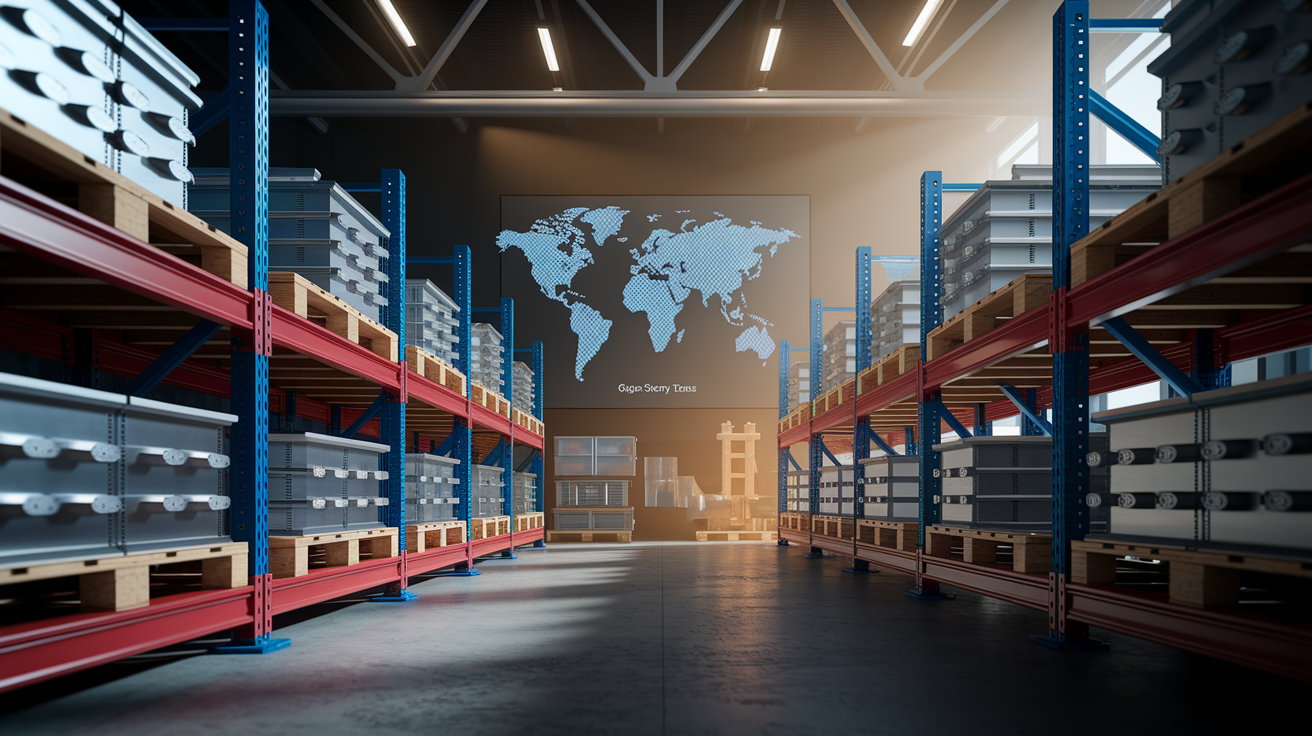
The Cybertruck depends on specialized suppliers with limited redundancy. Stainless steel tooling, large stamping dies, and Giga Press components come from a small number of vendors capable of manufacturing at the required scale and precision. Lead times for these tools often exceed six months, sometimes stretching beyond twelve. A single supplier delay can ripple through the entire production schedule.
High-capacity inverters, electric motors, and power electronics come from a few tier-one suppliers. The global semiconductor shortage eased through 2023, but specialized ICs and power modules remain vulnerable to allocation shifts or fab disruptions. Tesla’s strategy of vertically integrating some components helps, but not every subsystem can be brought in-house quickly. Any shortfall in motor inverters or battery management chips can force production lines to idle while alternative sources are qualified or expedited shipments arranged.
Raw material volatility adds another layer of exposure. The Cybertruck’s stainless body requires large volumes of chromium-nickel alloy steel, and nickel prices have swung sharply in recent years. Battery materials face similar price and availability pressures. Even when Tesla secures long-term contracts, supplier defaults or force majeure events can disrupt deliveries. Localized supply chains near Gigafactory Texas reduce logistics risk but don’t eliminate dependence on global commodity markets or single-source tooling providers.
Regulatory Approval and Safety Certification Delays
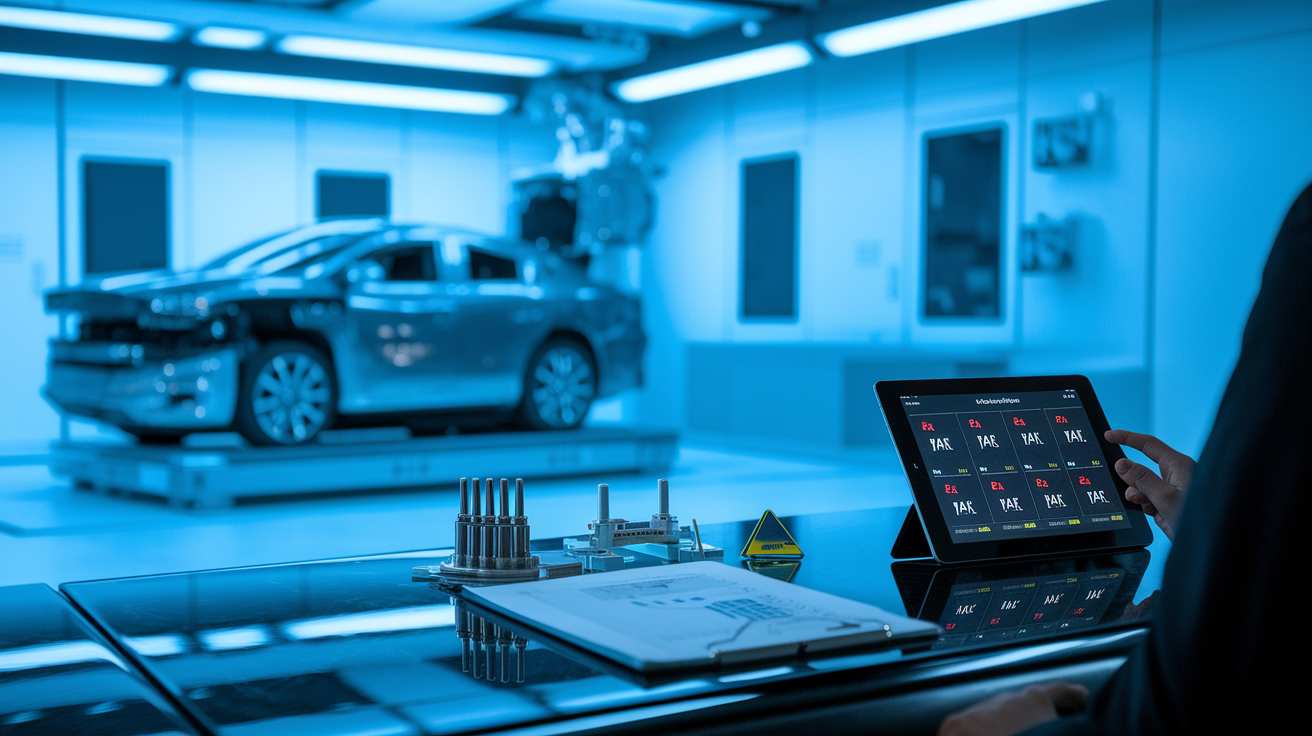
The Cybertruck’s unconventional exoskeleton geometry and structural design create regulatory uncertainty. In the United States, vehicles must meet Federal Motor Vehicle Safety Standards for crashworthiness, bumper heights, and pedestrian protection. The Cybertruck’s angular body panels, absence of traditional crumple zones in some areas, and rigid stainless structure could prompt extra scrutiny during NHTSA testing. If crash test results reveal inadequate energy absorption or excessive intrusion in frontal or side impacts, Tesla will need to reinforce or redesign structural elements. Those changes can cascade into new tooling, retesting, and further timeline slippage.
Homologation in international markets presents similar challenges. European Union regulations impose strict pedestrian safety requirements, including limits on hood stiffness and bumper design to minimize injury severity. The Cybertruck’s flat, hard surfaces and high beltline could necessitate regional design variants, requiring separate validation and certification processes that delay market entry outside North America. Regulatory timelines are difficult to compress. Once a prototype enters formal testing, months can elapse before results are available and any required fixes implemented.
The four key regulatory components that can delay production:
- Crash test validation – Frontal, side, rollover, and roof-crush tests must demonstrate adequate occupant protection. Failures require structural modifications and retesting cycles.
- Pedestrian impact compliance – Hood and bumper designs must meet energy-absorption thresholds. Hard stainless panels could fail initial tests and require softening elements or geometry changes.
- Brake system certification – Early prototype reports flagged braking issues. Any unresolved problems will prevent regulatory sign-off.
- Regional homologation – Each market has unique requirements. Obtaining approvals sequentially extends time to first deliveries in each region.
Lessons from Tesla’s Past Production Ramps and Risk Patterns
Tesla’s history of new-model introductions shows a consistent pattern: aggressive timelines, early production struggles, and gradual resolution through rapid iteration and vertical integration. The Model X launch in 2015 was delayed multiple times, and early units suffered from complex falcon-wing door mechanisms, fit-and-finish issues, and supply bottlenecks. The Model 3 ramp famously entered “production hell” in 2017 and 2018. It took more than a year for Model 3 output to reach sustained weekly targets.
The Model Y ramp at Gigafactory Shanghai and later at Fremont and Austin went more smoothly, but still needed several months to stabilize yields and reach design capacity. Tesla’s ability to vertically integrate manufacturing gave it tools to solve bottlenecks faster than traditional automakers relying on external suppliers. But that same vertical integration means Tesla absorbs all the risk when internal systems underperform.
| Model | Ramp Duration | Early Production Issues |
|---|---|---|
| Model 3 | ~18 months to reach 5,000/week | Automation failures, battery module bottlenecks, quality defects, high rework rates |
| Model Y | ~12 months to stable volume | Panel gaps, paint issues, early structural battery integration challenges |
The Cybertruck’s novel structure, untested 4680 pack integration, and reported early defects in powertrain, braking, structural integrity, suspension, and sealing suggest it’ll follow a similar or tougher ramp trajectory. Investors and reservation holders should expect iterative fixes, multiple design revisions on the production line, and a gradual climb to volume output rather than an immediate leap to the 250,000 to 500,000 annual target range.
Financial and Market Implications of Cybertruck Delays

More than 1.5 million Cybertruck reservations have been reported. That’s a massive demand backlog and a significant revenue opportunity. But it also amplifies financial and reputational risk. Each delay increases the likelihood that reservation holders will cancel, especially if competing electric trucks become available sooner or prove more reliable. Refund requests and cancellations reduce the pool of committed buyers, forcing Tesla to invest in new marketing and customer acquisition efforts.
Pricing pressure compounds the challenge. At the 2019 unveiling, Tesla advertised starting prices of $39,900 for a single-motor variant, $49,900 for dual-motor, and $69,900 for tri-motor. Since then, raw material costs, semiconductor prices, and battery input costs have climbed. If Tesla raises prices substantially to preserve margins, some reservation holders will walk away. Holding to original price targets while absorbing higher costs will compress gross margins and reduce profitability on early units, delaying the point where Cybertruck production becomes cash-positive.
Investor expectations are tied to Tesla’s stated annual production capacity of 250,000 to 500,000 Cybertrucks, with 375,000 as the midpoint communicated to suppliers. Missing these targets affects revenue forecasts, free cash flow projections, and the return on capital invested in Gigafactory Texas tooling and equipment. Prolonged low-volume production increases fixed costs per unit, eroding profitability until economies of scale kick in.
Key financial and demand-side consequences of extended delays:
- Reservation cancellations – Long wait times push customers toward competitors or alternative vehicles, shrinking the addressable backlog.
- Price volatility – Rising input costs force either margin compression or price increases that reduce conversion rates from reservations to purchases.
- Revenue recognition delays – Each quarter of missed volume shifts hundreds of millions in revenue into future periods, affecting cash flow and investor sentiment.
- Increased capex burn – Extended ramp periods require ongoing investment in tooling, pilot lines, and rework without offsetting vehicle sales.
- Market timing risk – Competitors gain market share and customer mindshare during Tesla’s delays, narrowing the novelty window for the Cybertruck’s distinctive design.
Updated Cybertruck Delivery Outlook and Expected Risk Mitigation Strategies

Based on Tesla’s public statements and historical ramp performance, the realistic delivery outlook for the Cybertruck stays constrained in the near term. Initial 2023 deliveries probably totaled fewer than 10,000 units, consisting mostly of pilot builds and employee deliveries used for validation and early feedback. The meaningful production ramp is expected to occur in 2024, with estimates around 150,000 total deliveries for the year if no major battery supply or tooling setbacks show up. That figure assumes Tesla reaches about 5,000 units per week by late 2024, matching the ramp cadence observed during Model 3 and Model Y introductions.
Any significant disruption could push the bulk of deliveries into 2025 or later. Tesla’s mitigation strategies focus on reducing single points of failure and accelerating internal capabilities. The company is scaling in-house 4680 production at Gigafactory Texas, qualifying alternative battery chemistries (like LFP) for lower-range variants, and working with external cell suppliers (Panasonic, LG, CATL) to diversify sourcing. Tesla is running extended pilot production lines to debug assembly processes before committing to full-speed ramps, a lesson learned from Model 3 production hell.
Supplier diversification and localization efforts aim to shorten lead times and reduce logistics exposure. Tesla has brought some tooling and component manufacturing closer to Gigafactory Texas, cutting reliance on overseas suppliers and reducing shipping delays. The company’s vertical integration strategy gives it faster iteration cycles and tighter control over quality, but also means Tesla absorbs all the risk when internal processes underperform.
Risk Scenarios Affecting 2024–2025 Output
Several sensitivity factors will determine whether the Cybertruck ramp stays on track or slips further. Battery cell availability remains the highest-impact variable. If 4680 production yields stay below 70% or throughput stalls, Tesla will face a hard constraint on how many vehicles can be completed each week. Shifting to alternative cell formats or chemistries introduces its own delays, as each change requires pack redesign, retesting, and regulatory re-approval.
Tooling and casting yield represent another critical path. If Giga Press tools experience frequent downtime or casting defect rates stay elevated, the production line will run stop-and-go, preventing smooth scaling. Regulatory and crash-test outcomes also carry binary risk. A single failed test can trigger months of rework and retesting. Demand conversion rates will determine whether Tesla can absorb the large reservation backlog or must pivot to open-market sales sooner than planned. If cancellations accelerate, the company might need to adjust pricing or features to attract new buyers, further complicating production planning.
Final Words
We laid out the core risks shaping the Cybertruck schedule: repeated timeline slips, a hard-to-manufacture stainless exoskeleton, 4680 battery yield limits, single-point tooling risks, supplier shortages, and extra regulatory scrutiny.
Those problems feed into delivery estimates, keep initial volumes low, and make the ramp timeline uncertain. Tesla’s past ramps point to iterative fixes, so mitigation steps like cell integration and supplier diversification will be decisive.
Tesla Cybertruck production timeline risks explained: it’s a tough build, but clear fixes and time make a successful ramp plausible.
FAQ
Q: Why can’t the Cybertruck go through a car wash or be washed in sunlight?
A: The Cybertruck can’t go through automatic car washes or be washed in direct sunlight because its unpainted stainless exoskeleton and special glass are prone to scratching from brushes and rollers, and sunlight makes soaps dry fast, leaving spots.
Q: Why is the Cybertruck discontinued?
A: The Cybertruck is not discontinued; Tesla has delayed and limited production, but the company hasn’t announced cancellation—deliveries continue at low volumes while engineering and supply issues are worked through.
Q: What is the best selling car over $100,000?
A: The best-selling car over $100,000 varies by market and year; recently US leaders have included Tesla Model S and X, Porsche 911, and Range Rover—check current quarterly sales for the exact leader.