
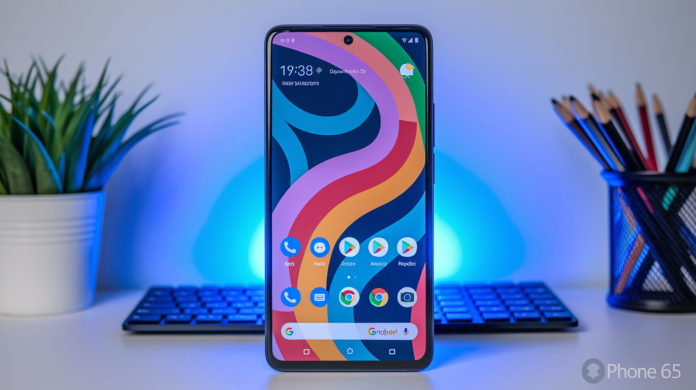

Controversial: the Pixel 8 Pro’s new Tensor chip matters more for your photos than the lenses do.
Built on a 4nm Samsung node, Google’s Tensor G3 moves image work onto dedicated ML silicon instead of offloading it to the cloud.
That delivers faster HDR and Night Sight, smoother Live HDR video, and real-time tools like Magic Editor running on-device with lower lag and better privacy.
If you shoot low light, action, or edit on your phone, Tensor G3 is the practical reason the Pixel 8 Pro takes smarter, more reliable pictures.
Key Advantages of the Tensor G3 Chip
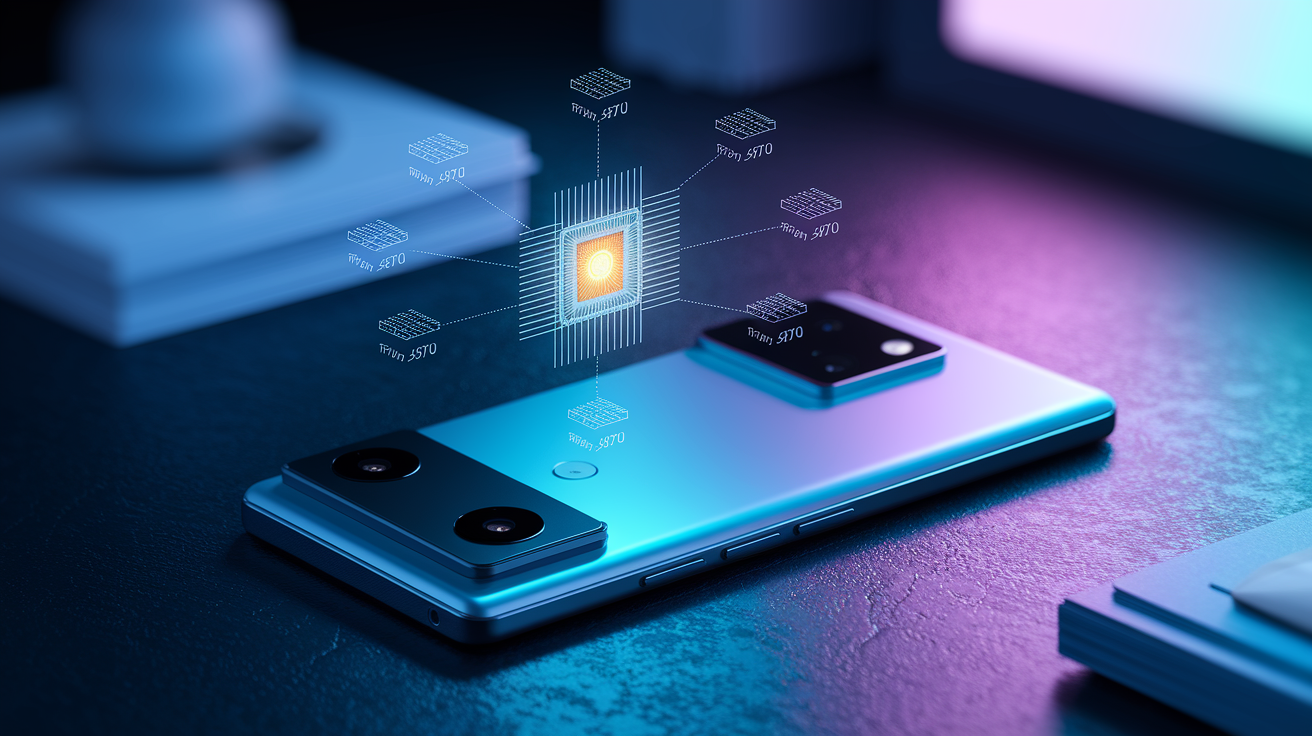
The Tensor G3 is Google’s third-generation custom chip. Built on Samsung’s 4nm process, it’s designed specifically for the Pixel 8 Pro. You get one Cortex-X3 main core paired with four Cortex-A715 performance cores and four Cortex-A510 efficiency cores, but the real story is what’s happening with the upgraded Tensor Processing Unit (TPU) handling on-device AI tasks.
Unlike chips chasing benchmark scores, Tensor G3 prioritizes machine learning workloads, camera pipeline integration, and real-time computational photography. The result? A phone that processes photos faster, understands natural speech better, and runs complex AI models without beaming your data to the cloud.
For Pixel 8 Pro users, this shows up in daily tasks. Apps load faster. Multitasking feels smoother. Features like Live Translate or Magic Editor execute locally with lower latency. The chip’s architecture lets the phone run more than twice as many on-device machine learning models compared to the first Tensor in the Pixel 6. On-device generative AI workloads are roughly 150 times more complex than the most demanding model on the Pixel 7 a year earlier.
Compared to Tensor G2, thermal control is noticeably better during sustained workloads. Power efficiency gains mean you can record video or process photos without draining the battery as quickly.
When placed alongside flagship Snapdragon processors, Tensor G3 holds its own in everyday performance but takes a different approach. Snapdragon chips typically lead in single-thread CPU benchmarks and peak GPU throughput, making them favorites for gaming-focused reviews. Tensor G3 excels in application-specific ML workloads and integrated imaging features that Snapdragon devices can’t replicate without cloud processing. If your priority is the highest frame rate in a GPU-bound game, a Snapdragon phone may edge ahead. If you value faster photo processing, better on-device privacy, and Pixel-exclusive AI features, Tensor G3 delivers advantages that raw benchmarks don’t capture.
Five major performance improvements stand out:
Speed: Faster app launches and smoother multitasking thanks to the upgraded core configuration and improved memory subsystem.
Thermals: Better heat distribution and throttling control during video recording and extended camera use.
Multitasking: More efficient background task scheduling, so switching between apps feels instant even with many open.
Sustained performance: The chip maintains higher performance levels longer before thermal limits kick in, particularly during video capture or extended Assistant sessions.
Efficiency: The 4nm process and dedicated ML silicon reduce power draw for AI tasks, translating into longer real-world battery life during photo editing, voice typing, and Assistant interactions.
System-Level AI and Machine Learning Enhancements

The upgraded TPU in Tensor G3 accelerates a wide range of AI tasks that used to require server round trips or run slowly on general-purpose CPU cores. Real-time generative features like Magic Editor and Best Take process locally. You see results in seconds rather than waiting for cloud uploads and downloads. The chip’s architecture lets the Pixel 8 Pro handle more complex generative models. Tasks like inpainting a photo background or synthesizing natural-sounding speech now happen entirely on-device. This reduces reliance on cloud processing, improves privacy, and keeps features working even when you’re offline or on a slow connection.
Background AI optimizations also improve daily interactions you might not immediately notice. Smart replies in messaging apps appear faster and with more contextually accurate suggestions. Assistant understands natural speech better, handling pauses and filler words like “um” without cutting you off or misinterpreting commands. Voice typing is more reliable in noisy environments. The phone can transcribe, translate, and read aloud webpages without routing all your audio and text through Google’s servers.
These system-level enhancements compound over the course of a day, saving small amounts of time on dozens of interactions and reducing the number of times you need to repeat yourself or manually correct a transcription error.
Camera Processing Improvements with Tensor G3
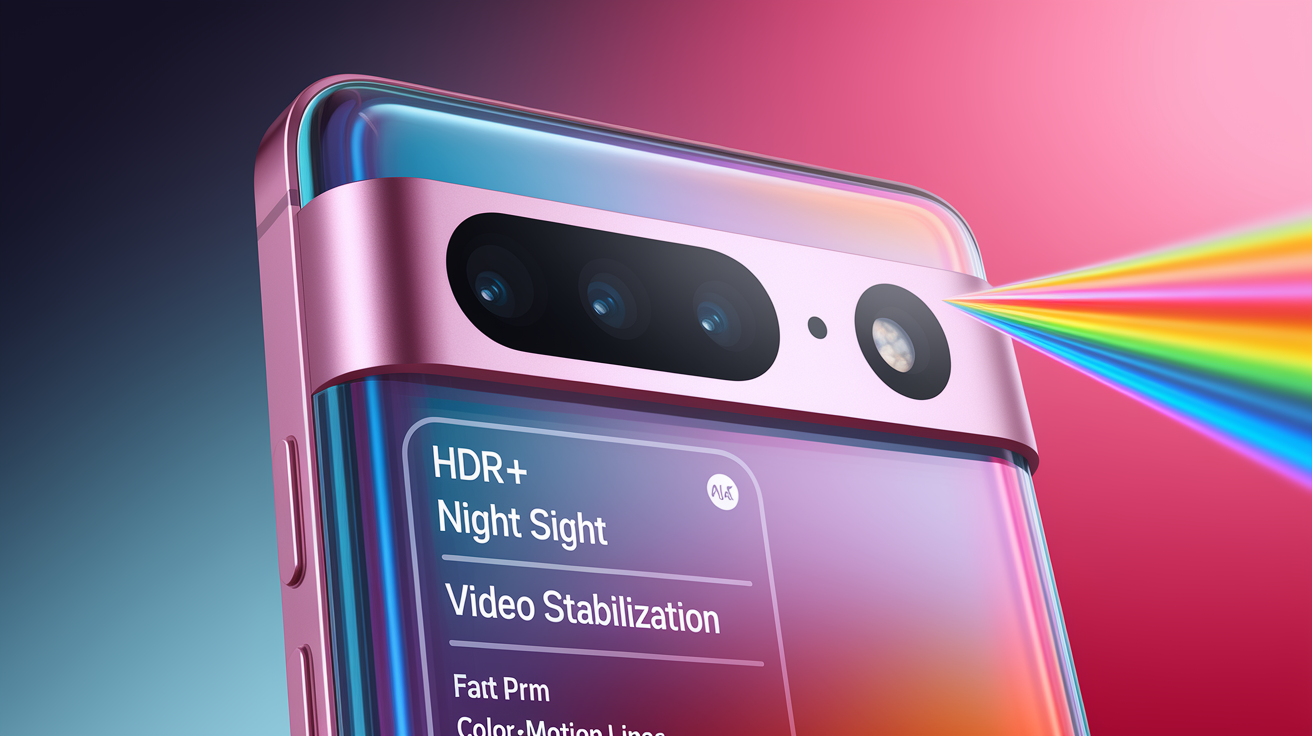
Tensor G3’s most visible impact is in the camera pipeline. The chip integrates machine learning directly into the image signal processor. This enables real-time HDR+ processing with higher detail, better color accuracy, and improved contrast. Every frame captured by the 50-megapixel main sensor benefits from per-frame computational photography before it even reaches your photo library.
In practice? Fewer blurry shots in low light. Better subject separation in portrait mode. More usable frames when you’re photographing moving subjects or kids who won’t sit still.
Night Sight processing is faster and more effective. The Pixel 8 Pro uses the extra light sensitivity (21 percent more than the Pixel 7 series) and Tensor G3’s upgraded neural networks to reduce noise and recover detail in shadows without introducing artificial-looking smoothing. Video enhancements are equally notable. The chip enables Live HDR video with improved stabilization. The camera pipeline uses the entire SoC revamp to deliver better colors and dynamic range while using less power. For users who shoot a lot of video, this translates into longer recording sessions and footage that looks closer to professional color grading straight out of the camera.
Key imaging areas improved by Tensor G3:
HDR processing: Real-time multi-frame blending delivers better exposure balance in high-contrast scenes without the “waiting to process” delay.
Night Sight: Faster capture and more natural noise reduction, with improved flash tuning for darker skin tones.
Video stabilization: On-device ML smooths out shake and jitter in real time, so you don’t need a gimbal for casual handheld recording.
Skin tone rendering: Real Tone improvements extend to video. The flash system is tuned to render a wider range of skin tones naturally in low light.
Speech Recognition and Translation Upgrades
Speech recognition on the Pixel 8 Pro runs faster and more accurately than previous generations. The Tensor G3 TPU enables on-device speech-to-text models that handle natural pauses and conversational filler without sending every utterance to a remote server. Voice typing works reliably in noisy coffee shops, on airplanes with no connectivity, and in any situation where latency or privacy matters. The phone waits for you to finish your thought instead of cutting off mid-sentence. Corrections happen instantly because the model runs locally.
Live Translate benefits from the same architectural improvements. The Pixel 8 Pro can translate webpages, captions, and even real-time conversations with lower latency and better contextual accuracy. The phone is the first to run the same text-to-speech model used in large server models, so translated content read aloud sounds natural and maintains proper phrasing.
For users who travel frequently, attend multilingual meetings, or consume content in multiple languages, these upgrades remove friction from daily workflows and reduce dependence on third-party translation apps or cloud services that log your data.
Security and Privacy Features Enabled by Tensor G3

The Tensor security core is integrated directly into the SoC and works alongside the Titan M2 security chip to harden the device against advanced attacks. Sensitive machine learning tasks (like processing biometric data for Face Unlock or analyzing on-device voice commands) remain isolated from the main operating system. This hardware-backed separation makes it significantly harder for malware or compromised apps to access your authentication credentials, payment information, or private conversations.
Face Unlock on the Pixel 8 Pro meets the strongest Android biometric class. It’s cleared for use with banking apps, payment systems, and other high-security scenarios that previously required a fingerprint. The AI-driven threat detection runs continuously in the background, analyzing app behavior and system calls to flag anomalies without noticeable performance impact. Because these security models execute on dedicated silicon, they don’t drain the battery or slow down other tasks.
On-device processing also improves privacy in less obvious ways. When you use features like Magic Editor, Best Take, or Audio Magic Eraser, your photos, videos, and audio never leave the device. The generative models and image-processing pipelines operate entirely locally, so Google’s servers never see the content you’re editing. For users concerned about cloud storage policies or third-party data access, this architecture provides a meaningful privacy upgrade over phones that route every advanced feature through remote processing.
Efficiency Gains and Battery Impact
The 4nm process node delivers measurable power efficiency improvements over the previous generation. Tensor G3 consumes less energy when running sustained AI workloads. This translates into longer battery life during activities like recording video, processing burst photos, or using Assistant features throughout the day. The chip’s improved thermal management keeps the phone cooler during extended camera sessions, reducing the need for aggressive throttling that would otherwise slow down performance or shorten recording time.
Real-world battery impact is most noticeable in mixed-use scenarios. When you combine moderate photography, voice typing, live translations, and typical app usage, the Pixel 8 Pro’s roughly 5,050 mAh battery lasts longer than previous Pixels. The ML tasks that used to tax the CPU and GPU now run on dedicated, lower-power silicon.
The phone also handles background tasks more intelligently, scheduling heavier processing for moments when the device is plugged in or idle rather than draining power during active use. For users who rely on their phone for all-day productivity, these efficiency gains add up to fewer mid-day charging sessions and more predictable battery performance.
Gaming and Graphics Performance
The upgraded GPU in Tensor G3 delivers better sustained frame rates and cooler operation under load compared to Tensor G2. For casual-to-moderate gaming (titles like “Genshin Impact” at medium settings, “Call of Duty Mobile,” or puzzle and strategy games), the chip provides smooth, consistent performance without noticeable stuttering or thermal throttling. The improved core configuration and better heat distribution mean you can play for longer sessions before the phone gets uncomfortably warm or starts dialing back performance to manage temperatures.
For users who play GPU-intensive games at maximum settings for extended periods, Tensor G3 is competitive but not class-leading. Flagship Snapdragon processors, which prioritize peak GPU throughput, may deliver higher average frame rates in the most demanding titles or maintain peak performance longer under sustained thermal stress. The practical difference shows up in benchmarks and multi-hour gaming marathons more than in typical 20- to 30-minute play sessions.
If you’re a serious mobile gamer who values every extra frame per second, a Snapdragon-based phone might be a better fit.
That said, Tensor G3’s gaming performance is more than adequate for the vast majority of users. It excels in areas Snapdragon phones can’t match. The on-device AI features (like intelligent frame rate scaling, adaptive thermal management, and background task optimization) ensure that gaming doesn’t tank your battery or interfere with notifications, calls, or other multitasking. For users who game casually and value the Pixel’s camera, AI, and software experience, the GPU is fast enough to handle popular titles without compromise. The efficiency gains mean your battery will last longer than on a phone chasing peak benchmark numbers at the expense of real-world endurance.
Tensor G3 vs Snapdragon: Direct Comparison
Tensor G3 and flagship Snapdragon processors take fundamentally different approaches to performance. Tensor G3 focuses on AI-centric workloads, integrated camera features, and on-device privacy. Snapdragon chips typically prioritize raw CPU and GPU benchmark scores that appeal to spec-sheet comparisons. In everyday use, both deliver snappy system performance, fast app launches, and smooth multitasking. The differences emerge when you compare what each chip enables at the software level and how each handles sustained workloads.
Snapdragon processors generally lead in single-thread CPU performance and peak GPU throughput. This translates into higher frame rates in gaming benchmarks and faster results in synthetic CPU tests. For users who prioritize gaming or rely on apps that benefit from the highest single-core clock speeds, Snapdragon devices offer a measurable advantage.
Tensor G3 excels in application-specific ML tasks that Snapdragon phones either can’t perform on-device or must offload to the cloud. Features like Best Take, Magic Editor, Audio Magic Eraser, and real-time Live Translate run locally on the Pixel 8 Pro with lower latency and better privacy than cloud-dependent alternatives on Snapdragon devices.
| Category | Tensor G3 | Snapdragon Equivalent (e.g., 8 Gen 2) |
|---|---|---|
| On-device ML performance | Dedicated TPU; runs complex generative models locally | General-purpose AI acceleration; often relies on cloud for advanced tasks |
| Peak CPU/GPU benchmarks | Competitive but not class-leading | Typically higher single-thread and GPU scores |
| Camera pipeline integration | ML baked into ISP; real-time HDR and computational photography | Fast ISP but less ML-driven real-time processing |
| Battery efficiency (AI tasks) | Lower power draw for on-device ML workloads | Higher power draw when cloud processing is required |
| Privacy and data handling | More tasks processed locally; less cloud dependency | More reliance on cloud services for advanced features |
Real-World Use Cases Powered by Tensor G3
In everyday use, Tensor G3’s advantages show up in small but meaningful ways. App switching is faster because the chip’s improved memory subsystem and task scheduling reduce the time it takes to reload backgrounded apps. Multitasking feels smoother when you jump between a video call, a photo editing session, and a web browser. The on-device AI handles background optimizations without slowing down foreground tasks. The Google Assistant responds more quickly and understands natural speech patterns, so you spend less time repeating commands or manually correcting voice-typed messages.
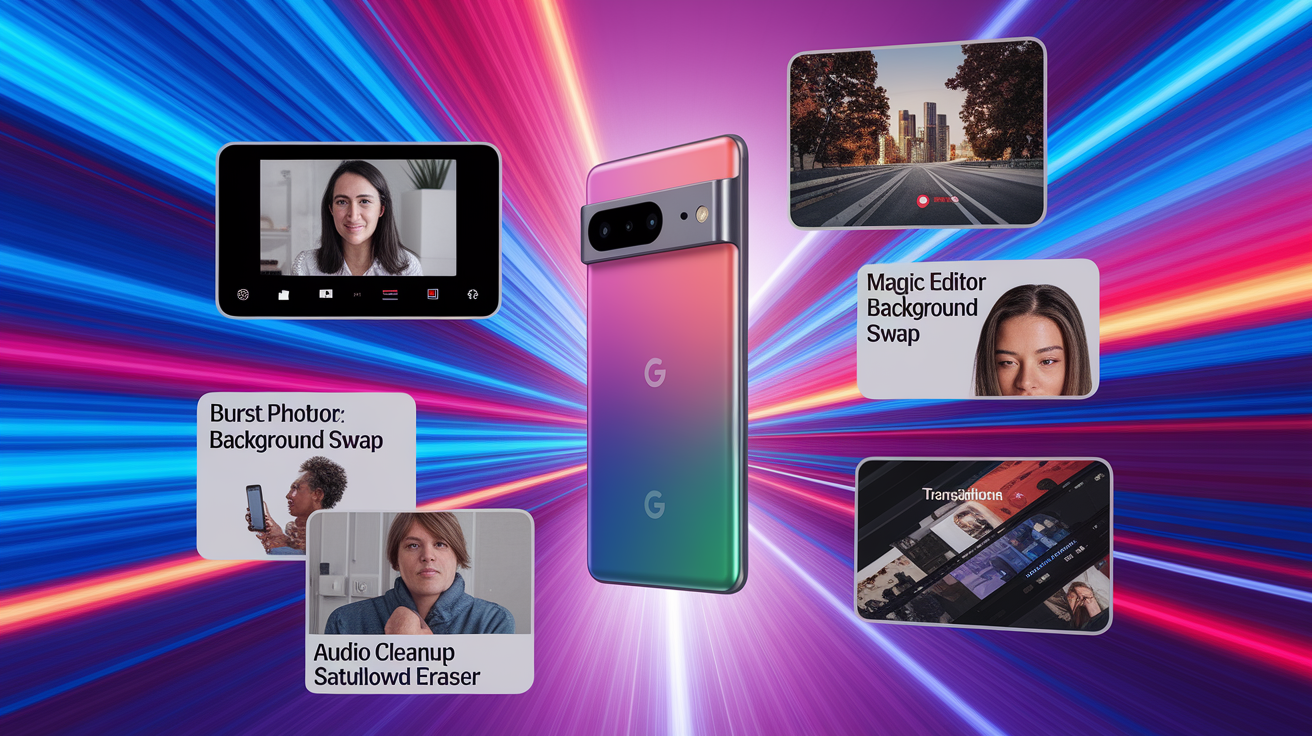
Pixel-exclusive features like Magic Editor benefit directly from the upgraded TPU. When you want to reposition a subject in a photo or remove a distracting background element, the generative AI model processes the edit locally in seconds rather than uploading the image to Google’s servers and waiting for a download. Best Take scans multiple frames from a burst, uses on-device ML to identify the best expression on each face, and combines them into a single improved shot. All without an internet connection.
Audio Magic Eraser analyzes your video’s audio track, separates distracting sounds like wind or crowd noise, and reduces them in real time, improving the perceived quality of casual video clips you share with friends or post online.
For users who rely on accessibility features, Tensor G3 enables improvements like Guided Frame, which uses audio cues, high-contrast animations, and haptic feedback to help users with vision challenges frame photos. The feature now works on both front and rear cameras and recognizes more than just human faces, expanding its usefulness across a wider range of photography scenarios.
These real-world use cases highlight how Tensor G3’s design choices (prioritizing on-device AI, low-latency processing, and privacy) translate into tangible daily benefits that spec sheets and synthetic benchmarks don’t capture.
Pixel-Exclusive Features Enabled by the Tensor G3
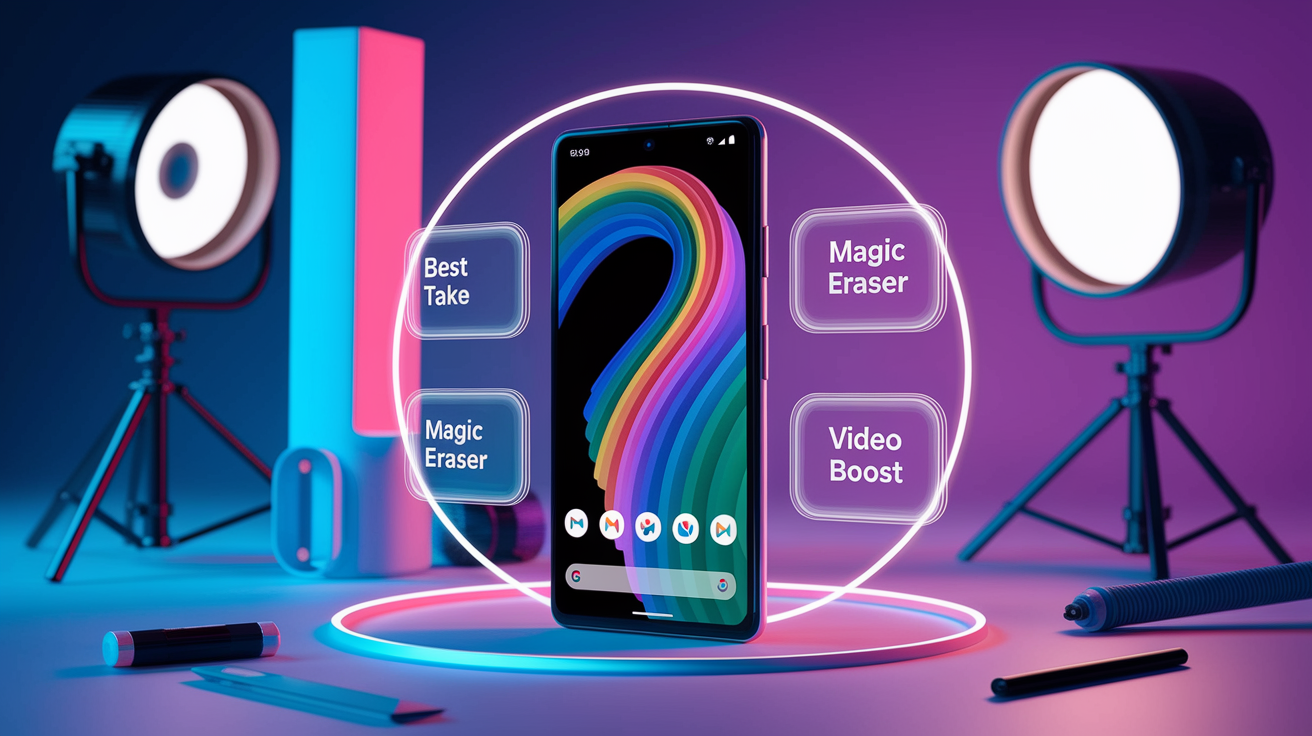
Several flagship Pixel features exist only because of Tensor G3’s architecture. Best Take relies on the chip’s ability to run multiple on-device ML models simultaneously, analyzing facial expressions, blinking patterns, and composition across a series of shots to automatically select and blend the best elements. This feature would be impractical on a phone without dedicated ML acceleration. Processing that many frames in real time would either drain the battery or require cloud offload that introduces unacceptable latency.
Magic Editor uses generative AI to inpaint photo backgrounds, reposition subjects, and apply intelligent enhancement presets. On the Pixel 8 Pro, the upgraded Tensor G3 enables these edits to run locally, so your photos never leave the device and results appear within seconds.
Audio Magic Eraser separates video audio into discrete layers (voices, wind, music, crowd noise) and allows you to reduce or remove distracting sounds without re-recording. Video Boost pairs on-device Tensor G3 processing with remote data-center compute for advanced color grading and stabilization. It represents a hybrid approach that uses the chip’s local capabilities to preprocess footage before cloud refinement.
These features are locked to Pixel 8 Pro not because of artificial software restrictions, but because the hardware and tight integration between Tensor G3’s TPU, ISP, and imaging DSP make them possible in the first place.
Final Words
Tensor G3 brings a tighter core layout, a stronger on‑device TPU, and a 4nm process that boosts sustained performance, thermals, and efficiency. It speeds up app loads, powers smarter AI features, and improves imaging, speech, and security.
Those changes add up in daily use: snappier multitasking, faster Night Sight and video, longer sustained workloads, and Pixel‑exclusive tools that feel noticeably smoother.
Google Pixel 8 Pro Tensor chip benefits explained here should help you judge the upgrade — and the outlook is positive.
FAQ
Q: What does the Google Tensor chip do?
A: The Google Tensor chip powers the Pixel’s core computing and on‑device AI, using a TPU for machine learning to speed up photography, speech, translation, and system-level optimizations for smoother real-world performance.
Q: Why does Google use Tensor instead of Snapdragon? Which is better, Exynos or Tensor?
A: Google uses Tensor instead of Snapdragon because Tensor focuses on on‑device AI and tight Pixel integration; compared to Exynos, Tensor excels at Pixel‑exclusive ML features while Snapdragon/Exynos may outperform in raw CPU/GPU benchmarks.
Q: What Tensor chip is in the Pixel 8 Pro?
A: The Pixel 8 Pro uses the Tensor G3 chip, built on Samsung’s 4nm process with an upgraded TPU that provides faster on‑device AI, better thermal control, and improved sustained performance in everyday tasks.