
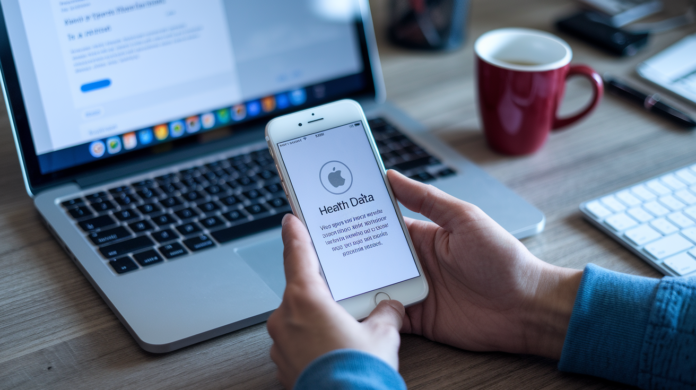

What if your heart rate could be sold to advertisers?
Apple just tightened rules around health data on iPhones and Apple Watches, and it matters.
The company updated developer guidance for HealthKit (Apple’s health-data API) to bar selling or sharing Health app data with ad platforms, data brokers, or information resellers, while still allowing consented medical research.
This post breaks down the new prohibitions, the research exception, how developers and users are affected, and where enforcement and technical gaps still leave questions.
Bottom line: your device now has stronger limits—but not all the answers.
Immediate Overview of Apple’s Latest Health Data Policy Updates

Apple just dropped some serious restrictions on how health information moves through iOS devices and third-party apps that plug into HealthKit and the Health app. The policy update went live in developer guidelines on August 29, 2014, right before a rumored device launch, and it flat-out bans developers from selling or sharing any user health data collected through the HealthKit API to ad platforms, data brokers, or information resellers. This is a big shift from what regulators were seeing just before the announcement. A U.S. regulatory sampling found that 12 health and fitness apps were sending user diet and workout data to 76 separate third parties, which gives you a sense of how widespread the problem had become.
The new rules cover a wide range of metrics that get funneled into the Health app: blood pressure, heart rate, calories, blood sugar, sleep patterns, blood oxygen. All of it, whether captured by device sensors or contributed through third-party integrations. Developers can still share data with third parties for medical research, but only after getting explicit user consent. That research exception is the only way data can legally leave the device under the updated terms. HealthKit API usage is now locked down to “health and/or fitness services,” closing loopholes that previously let developers repurpose health data for unrelated commercial purposes.
Before this update, enforcement was less strict and data-sharing practices were all over the map. The policy tightening went directly after the advertising and data-brokerage ecosystem that had become a major recipient of consumer health metrics, effectively cutting off revenue streams that depended on reselling sensitive user information. Here are the five most critical rules users and developers need to understand:
- Ban on resale: Developers can’t sell health information collected through HealthKit to ad platforms, data brokers, or information resellers. Period.
- Research exception: Sharing health data with third parties for medical research is allowed, but only when users have given explicit consent for that specific use case.
- API scope restriction: HealthKit API and collected data can only be used for health or fitness services. No repurposing for marketing, analytics, or unrelated product features.
- Third-party exposure: The policy addresses documented patterns where a handful of apps shared data with dozens of downstream recipients without meaningful user oversight.
- Centralized control: The Health app is the unified repository for device-generated and third-party health metrics, making it the primary enforcement point for these restrictions.
How Apple’s Updated Rules Affect the Flow and Protection of Health Data
The Health app is basically a centralized hub that pulls in metrics from Apple device sensors (blood pressure, heart rate, sleep cycles, blood oxygen, blood sugar, calorie expenditure) plus data contributed by third-party apps and medical devices that integrate with HealthKit. This architecture funnels health information from all over into a single repository on your device, making it both a powerful clinical tool and a high-value target for privacy enforcement. Under the updated policy, any app requesting HealthKit access has to restrict its use to health and fitness services. This is designed to prevent data collected in a clinical or wellness context from being repurposed for advertising, profiling, or resale.
The policy doesn’t include published technical specs for encryption, storage isolation, or cross-device sync security. Apple’s positioned these changes as a major tightening of prior guidance, but implementation details are missing. How does Apple enforce restrictions at the API level? Can developers programmatically distinguish between permissible research sharing and prohibited resale activity? Those questions remain outside the scope of the publicly available developer guidelines.
| Data Type | Source Device/App | Affected by Policy Changes |
|---|---|---|
| Blood pressure, heart rate | Apple Watch sensors, third-party cuffs integrated via HealthKit | Yes—API use restricted; sale/sharing to brokers prohibited |
| Sleep cycles, blood oxygen | Apple Watch, iPhone accelerometer, third-party sleep trackers | Yes—centralized in Health app; same HealthKit API restrictions apply |
| Calories, blood sugar | Fitness apps, CGM devices, manual user entry | Yes—prohibited from sale; sharing allowed only for consented research |
| Workout and diet logs | Third-party fitness and nutrition apps | Yes—prior evidence showed 12 apps shared data with 76 parties; new rules block that flow |
Developer Restrictions and Responsibilities Under the New Health Data Rules

Developers who integrate with HealthKit face strict prohibitions designed to prevent commercial exploitation of sensitive health metrics. The core restriction is pretty clear: no health information collected through the HealthKit API can be sold to ad platforms, data brokers, or information resellers. This applies regardless of user consent. Even if a user agrees to share data for personalized ads or product recommendations, the developer is contractually barred from executing that transaction if the recipient falls into one of the prohibited categories. The rule closes the business model that enabled apps to monetize free services by reselling aggregated or de-identified health data to third parties.
The only sanctioned use case for outbound data sharing is medical research, and even that pathway requires explicit, informed consent from each user whose data will leave the device. Developers have to build consent flows that clearly communicate which third-party research entities will receive data, what the data will be used for, and how long it’ll be retained. The HealthKit API itself can only be invoked for purposes directly related to health or fitness services. Using health data to enhance unrelated app features, improve general analytics, or build user profiles for cross-promotional campaigns is off the table. Developers who violate these terms risk app removal and loss of API access, though the enforcement mechanisms (automated scanning, periodic audits, user reporting) aren’t detailed in public documentation.
Prior enforcement gaps became visible when regulators sampled those 12 health and fitness apps and discovered they were transmitting user diet and workout data to 76 separate third parties. That suggested weak or absent compliance oversight before the policy update. The new transparency requirements mandate that apps disclose data practices on their App Store listings through Privacy Nutrition Labels, which must indicate whether health data is collected, whether it’s linked to user identity, and whether it’s shared with third parties. Developers also have to verify that any third-party services they integrate don’t repurpose HealthKit data for prohibited activities. This creates a chain of responsibility that extends beyond the first-party app to its service providers.
The following responsibilities now apply to all developers using HealthKit:
- No resale under any circumstances: Even with user consent, selling HealthKit-collected data to ad platforms, data brokers, or information resellers is forbidden.
- Research-only exception: Data can be shared with third parties for medical research if and only if users have given explicit, documented consent for that specific use.
- API scope enforcement: HealthKit API calls must be limited to health or fitness services. Using the data to enhance unrelated features or build cross-app profiles is prohibited.
- Transparency labels required: Developers must disclose health data collection, linking, and sharing practices on App Store listings using Apple’s Privacy Nutrition Labels.
- Third-party audit responsibility: Developers must ensure that downstream service providers don’t repurpose HealthKit data for prohibited activities, including ad targeting or data brokerage.
- Consent flow implementation: Apps requesting research sharing must implement clear, user-facing consent mechanisms that explain who receives data, what it’ll be used for, and how to revoke permission.
User Control, Consent, and Opt-In/Opt-Out Processes for Health Data

Users hold the final decision on whether their health data leaves the device for research purposes. This separates the research exception from the absolute ban on data resale. When an app requests permission to share HealthKit data with a third-party research entity, the developer has to present a consent prompt that explains the recipient’s identity, the research purpose, and the scope of data involved. Users who decline the prompt prevent the app from transmitting data. Those who consent enable sharing for that specific use case only. The policy doesn’t require consent for the sale of data because sale is prohibited outright. No user opt-in can override the ban on sharing with ad platforms, data brokers, or information resellers.
Managing health permissions happens through iOS Settings, where you can review which apps have requested HealthKit access, see which data categories each app has requested (reading, writing, or both), and toggle permissions on or off whenever you want. Revoking an app’s HealthKit access immediately stops future data collection from the Health app repository. But the policy documents don’t specify whether previously shared data must be deleted by third parties or whether Apple provides audit tools to track downstream retention. If you’re concerned about data that may have been shared before the policy change or before you adjusted permissions, you’ll need to contact app developers directly to request deletion. The HealthKit API itself doesn’t include a standardized recall mechanism for data already transmitted to external parties.
The absence of detailed user-interface specs in the public guidelines means the exact steps to review consent history, monitor active research shares, or audit third-party recipients aren’t fully documented. You should expect apps to provide in-app privacy dashboards that list active third-party integrations, but the policy doesn’t mandate those dashboards. Transparency is dependent on developer implementation. Here’s how you can take control of health-data permissions on Apple devices:
- Open iOS Settings and navigate to “Health”: This section lists all apps that have requested HealthKit access and shows which data categories each app has requested.
- Review each app’s data access permissions: Tap an app name to see whether it has read, write, or both types of access for categories like heart rate, sleep, or blood pressure.
- Toggle off permissions for apps you no longer trust: Disabling an app’s HealthKit access immediately stops it from reading new data or writing updates to your Health app repository.
- Check app-specific consent prompts for research sharing: If an app supports medical research sharing, it must present a consent prompt. Review these carefully and decline if you don’t want data sent to third parties.
- Revoke consent for research sharing within the app: Some apps provide an in-app control to withdraw research consent. Locate this setting in the app’s privacy or account section and use it to stop ongoing data transmission.
Comparing Apple’s New Health Data Policies to Previous Practices

Before the August 29, 2014 developer-guideline update, HealthKit’s privacy framework was less prescriptive. Developers had more latitude in how they used and shared health data collected through Apple’s APIs. The most concrete evidence of prior practices comes from that U.S. regulatory sampling: 12 health and fitness apps transmitted user diet and workout data to 76 separate third parties. That distribution pattern indicates data brokerage, ad targeting, and cross-app profiling were common monetization strategies. The new policy eliminates those pathways by categorically banning the sale or sharing of HealthKit-collected data to ad platforms, data brokers, and information resellers. Permissible recipients are now narrowed to medical research entities that have obtained explicit user consent.
What stayed consistent across both the old and new policies is the requirement that developers must request user permission before accessing HealthKit data in the first place. iOS has always presented permission prompts when an app first attempts to read or write health information. But the updated rules add a second layer of control specifically for outbound research sharing, creating a distinction between “permission to access data on-device” and “permission to send data to a third party.” The articles reviewed don’t provide details on data retention periods, user-initiated deletion workflows, or how Apple handles data that was already shared under the previous, looser guidelines. That leaves open questions about legacy data and backward compatibility with apps that had established data-sharing relationships before the policy took effect.
Here are the key differences and continuities between the old and new health data policies:
- Third-party recipients before the change: Apps routinely shared data with dozens of downstream partners. Regulators documented 12 apps sending data to 76 third parties, including ad networks and analytics providers.
- Third-party recipients after the change: Only medical research entities that have obtained explicit user consent can receive HealthKit data. Ad platforms, data brokers, and information resellers are categorically blocked.
- API scope before the change: Developers had broad discretion to use HealthKit data for purposes beyond health and fitness, including cross-app profiling and marketing optimization.
- API scope after the change: HealthKit API use is restricted exclusively to health and fitness services. Repurposing health data for unrelated features or commercial analytics is prohibited.
Regulatory Drivers Behind Apple’s Privacy Tightening on Health Data

The policy update arrived in the context of escalating regulatory scrutiny over how mobile apps handle sensitive health information. Enforcement agencies were documenting widespread data-sharing practices that exposed users to privacy risks they weren’t aware of and hadn’t consented to. A U.S. regulatory investigation sampled 12 health and fitness apps and discovered those apps transmitted diet and workout details to 76 separate third parties, including ad networks, analytics platforms, and data brokers. That evidence showed the mobile health app ecosystem had evolved into a data-distribution network rather than a collection of isolated wellness tools. The finding provided the factual basis for stricter developer rules and signaled that regulators were prepared to take enforcement action against companies that failed to protect consumer health data.
The articles reviewed don’t cite specific statutes or regulatory frameworks (HIPAA in the United States or GDPR in the European Union) that Apple may have been responding to. They also don’t describe breach-notification requirements, penalty structures, or formal transparency-reporting obligations. The absence of those details suggests Apple’s policy tightening was driven more by reputational risk and platform-integrity concerns than by direct legal mandates. But the timing of the update (ahead of a high-profile device launch) indicates the company wanted to preempt regulatory intervention and position itself as a privacy-first platform before competitors could claim that mantle.
| Regulatory Body / Framework | Type of Concern | Example Evidence |
|---|---|---|
| U.S. regulator (agency not named in source) | Unauthorized third-party data sharing | 12 sampled apps shared diet/workout data with 76 third parties |
| General privacy-law landscape (HIPAA, GDPR implied but not cited) | Lack of informed consent for health data flows | Apps transmitted data without clear user understanding of recipients or purposes |
| Market pressure and competitive positioning | Platform reputation risk from health data breaches or misuse | Policy update timed to precede device launch, signaling privacy as a differentiation strategy |
Clinical Research and Medical Use Cases Affected by Apple’s Policy Changes

Medical researchers get a sanctioned pathway to access HealthKit data under the new policy, provided they secure explicit, informed consent from each user whose metrics they wish to collect. This exception recognizes the clinical value of continuous, passively collected health data. Metrics like resting heart rate, blood pressure trends, sleep architecture, and blood-glucose patterns offer researchers higher temporal resolution and ecological validity than traditional clinic visits or self-reported surveys can provide. A centralized Health app repository, if populated with high-quality data from multiple sources (device sensors, third-party integrations, manual user entry), becomes a powerful longitudinal dataset for observational studies, clinical trials, and population health research. Especially for chronic conditions that require long-term monitoring between infrequent medical appointments.
The policy doesn’t specify technical requirements for research data export, consent-management platforms, or integration with institutional review boards (IRBs). That leaves researchers and app developers to implement those workflows independently. Apps that support clinical research must design consent flows that clearly communicate which research entity will receive data, what the study aims to achieve, how long data will be retained, and whether the user can withdraw consent and request deletion of previously shared records. The absence of standardized export formats or APIs specifically for research means developers must build custom integrations, and researchers must evaluate each app’s data quality, sampling frequency, and metadata completeness before relying on it for peer-reviewed work.
The policy’s benefits and limitations for clinical researchers include:
- Higher temporal resolution: Passive, continuous data collection captures trends and variability that would be missed by periodic clinic visits or manual logs.
- Ecological validity: Data collected during normal daily life reflects real-world conditions, reducing recall bias and improving generalizability of findings.
- Centralized repository: The Health app aggregates metrics from multiple sources, simplifying longitudinal tracking for researchers who need comprehensive patient profiles.
- Consent requirement adds friction: Researchers must design and implement consent workflows that meet both Apple’s policy and IRB standards, potentially reducing participation rates.
- No standardized export API: Each app must build its own research-sharing mechanism, creating variability in data formats, metadata, and sampling frequency across studies.
Practical Steps for Users and Developers to Stay Compliant With Apple’s Updated Health Data Rules

Users concerned about health data privacy should start by auditing which apps have access to their HealthKit data and reviewing the scope of permissions granted to each one. This audit is most effective when conducted immediately after the policy change and repeated regularly as new apps are installed or updated. Apps that display unusual permission requests (a simple step-counter requesting access to blood pressure or a nutrition tracker asking to read sleep data) should be scrutinized for potential overreach. Disable permissions that aren’t clearly necessary for the app’s core function. For apps that support medical research sharing, locate and review in-app consent prompts, verifying which third-party research entities receive data and whether the app provides a clear withdrawal mechanism.
Developers face a more technical compliance burden, starting with an audit of their own codebases to identify any HealthKit API calls that might violate the new restrictions. Apps that previously shared HealthKit data with ad networks, analytics platforms, or data brokers must remove those integrations entirely or re-architect them to use only non-health data sources. Developers who wish to support medical research must implement consent workflows that meet Apple’s standards and provide users with transparent information about third-party recipients, data retention, and withdrawal rights. The policy also requires developers to update their App Store Privacy Nutrition Labels to accurately reflect health data collection and sharing practices, and to verify that any third-party SDKs or cloud services integrated into the app don’t repurpose HealthKit data for prohibited uses.
For users:
- Open iOS Settings, navigate to Health, and review the complete list of apps with HealthKit access. Disable any apps you no longer use or trust.
- Tap each app name to see which data categories it has requested, and toggle off access to categories that seem unrelated to the app’s advertised purpose.
- Check each app’s Privacy Nutrition Label on the App Store to see whether it collects health data, links it to your identity, or shares it with third parties.
- Within apps that support medical research, locate the consent management section (usually under Settings or Privacy) and review which research entities have access to your data.
- If you find apps sharing data with third parties you don’t recognize or trust, withdraw consent immediately using the app’s in-app controls or by disabling HealthKit access entirely.
- Periodically repeat this audit, especially after installing new health or fitness apps, to catch permission creep or apps that update their data practices without clear notice.
For developers:
- Audit your app’s codebase to identify every HealthKit API call and document the purpose of each read or write operation. Ensure all uses align strictly with health or fitness services.
- Remove any integrations that send HealthKit data to ad platforms, analytics providers, data brokers, or information resellers, even if those integrations use aggregated or de-identified data.
- If your app supports medical research, implement a clear consent flow that names the research entity, describes the study purpose, specifies data retention periods, and provides an easy withdrawal mechanism.
- Update your App Store Privacy Nutrition Label to accurately reflect whether your app collects health data, whether it links that data to user identity, and whether it shares data with third parties for research purposes.
- Review all third-party SDKs and cloud services integrated into your app to confirm they don’t access, process, or transmit HealthKit data for purposes outside your direct control.
- Establish an internal compliance checklist that must be completed before each app update, verifying that no new HealthKit uses violate Apple’s restrictions and that all consent flows remain current and transparent.
Final Words
In the action, Apple tightened health-data rules: centralizing Health app data, banning resale, allowing research sharing with explicit consent, and imposing stricter developer transparency and permission controls.
That changes how data flows and who can touch it — fewer surprise third-party handoffs, clearer opt-in steps for users, and new duties for apps.
Expect a steadier privacy baseline. If you care about privacy policy changes for health data on apple devices, this should reduce risk while keeping research options open.
FAQ
Q: What are the most important changes in Apple’s health data policy?
A: The most important changes are a ban on selling HealthKit‑collected data to advertisers or brokers, stricter HealthKit API limits to health/fitness uses, and a research‑sharing exception requiring explicit user consent.
Q: Which health data categories are affected by the new rules?
A: The new rules affect metrics centralized in Health like blood pressure, heart rate, sleep, blood oxygen, calories, and blood glucose—any data HealthKit collects or integrates from devices and apps.
Q: Does Apple now ban selling health data to advertisers and data brokers?
A: Apple now bans selling HealthKit‑collected health data to advertisers, data brokers, or information resellers; that prohibition applies regardless of user consent.
Q: Is user consent required to share health data for medical research?
A: User consent is required to share health data for medical research; developers must obtain explicit opt‑in before sharing and disclose the research use to participants.
Q: How do the updated rules change third‑party app access and HealthKit API use?
A: The updated rules restrict HealthKit API use to health and fitness purposes, ban resale, and force transparent disclosures and permission prompts before third‑party apps access Health data.
Q: What are developers’ main responsibilities under the new policy?
A: Developers’ main responsibilities are to limit HealthKit use to health/fitness, never sell collected health data, obtain explicit consent for research sharing, and clearly disclose data practices to users.
Q: How can users review, manage, or revoke apps’ access to their health data?
A: Users can review and revoke app access through Health and privacy settings: check permissions, disable sharing per app, and revoke consent for research or third‑party sharing at any time.
Q: How do these changes affect cross‑device syncing and protection of health data?
A: The changes affect cross‑device syncing by centralizing metrics in Health and restricting which apps can feed data; Apple positions the rules as stricter, improving control though technical storage details remain unclear.
Q: How do the new rules compare to previous practices where apps shared data widely?
A: Compared to previous practices, the new rules narrow permissible recipients, ban resale, and demand consent for research—addressing findings that some apps once shared diet and workout data with many third parties.
Q: What regulatory pressures led Apple to tighten health data privacy now?
A: Regulatory pressure from U.S. officials and privacy reviews found apps sharing user health‑related data with dozens of third parties, prompting Apple to limit sharing and tighten developer rules.
Q: How will these policy changes affect clinical research that uses HealthKit data?
A: The policy changes affect clinical research by allowing data sharing for studies with explicit user consent, improving data centralization, but leaving export mechanics and trial requirements unclear.
Q: What practical steps should users and developers take to comply with the new rules?
A: Users and developers should audit app permissions, require explicit consent for research, avoid data resale, disclose data flows, and regularly review Health settings and app privacy labels.