


Most flagship smartphone launches are more marketing than meaning.
They promise big leaps but usually deliver modest tweaks.
If you’re buying on launch day, focus on what will actually change your daily use: sustained chipset performance and cooling, real camera sensor and stabilization gains, display brightness and adaptive refresh, battery endurance and charging behavior, guaranteed OS updates, and realistic pricing after promos.
This guide shows how to cut through the noise and check launch claims so you can decide whether to buy now or wait.
Key Factors to Evaluate During a Flagship Smartphone Launch

A flagship smartphone launch is meant to represent a manufacturer’s vision for the year. The device that gets the fastest processors, most advanced cameras, and best materials. These launches show up with big promises, but the reality is usually more modest. Most flagship updates bring incremental improvements, not transformational leaps. And launch day hype creates urgency that doesn’t always match the actual innovation you’re getting.
Evaluating a flagship means cutting through marketing claims and figuring out whether the new features will actually change how you use your phone every day.
The major categories to focus on include processor performance (sustained speeds and how it handles heat, not just peak numbers), camera specs (sensor size, optical stabilization, computational photography), display quality (brightness, refresh rate, panel tech), battery life (capacity, charging speed, real endurance), software support (guaranteed OS updates and security patches), and pricing (how it stacks up against competitors and how fast it’ll lose value). These factors determine whether a flagship is worth the premium over mid-range phones that often deliver 70–80% of the capability at half the price.
Questions that separate hype from real upgrades:
- Does the new processor actually improve performance in tasks you do, or just score higher on synthetic benchmarks?
- Are camera upgrades backed by larger sensors, better stabilization, or improved computational photography? Or just more megapixels?
- Does the display offer higher peak brightness, adaptive refresh rates, or better durability? Or just minor spec bumps?
- What’s the software update commitment? 5+ years or the usual 3 cycles?
- How does the launch price compare to last year’s flagship after it drops following the new announcement?
- Are battery capacity and charging speeds meaningfully better, or within the margin of previous models?
- Does the device include real durability improvements like higher IP ratings or stronger materials, or just cosmetic changes?
- What trade-in or promo offers are available that might offset the launch premium?
Spotting actual innovation helps you decide whether the device is worth buying at full price or if waiting for the typical 20–30% price drop that happens 3–4 months post-launch makes more sense. A $1,200 flagship can lose $400–$500 within the first few months. After one year it’s often worth only $600–$700, roughly half its original price. If the launch doesn’t deliver clear improvements in at least two areas that affect your daily use, waiting is usually the smarter move.
Evaluating Processor and Chipset Technology in a Flagship Smartphone
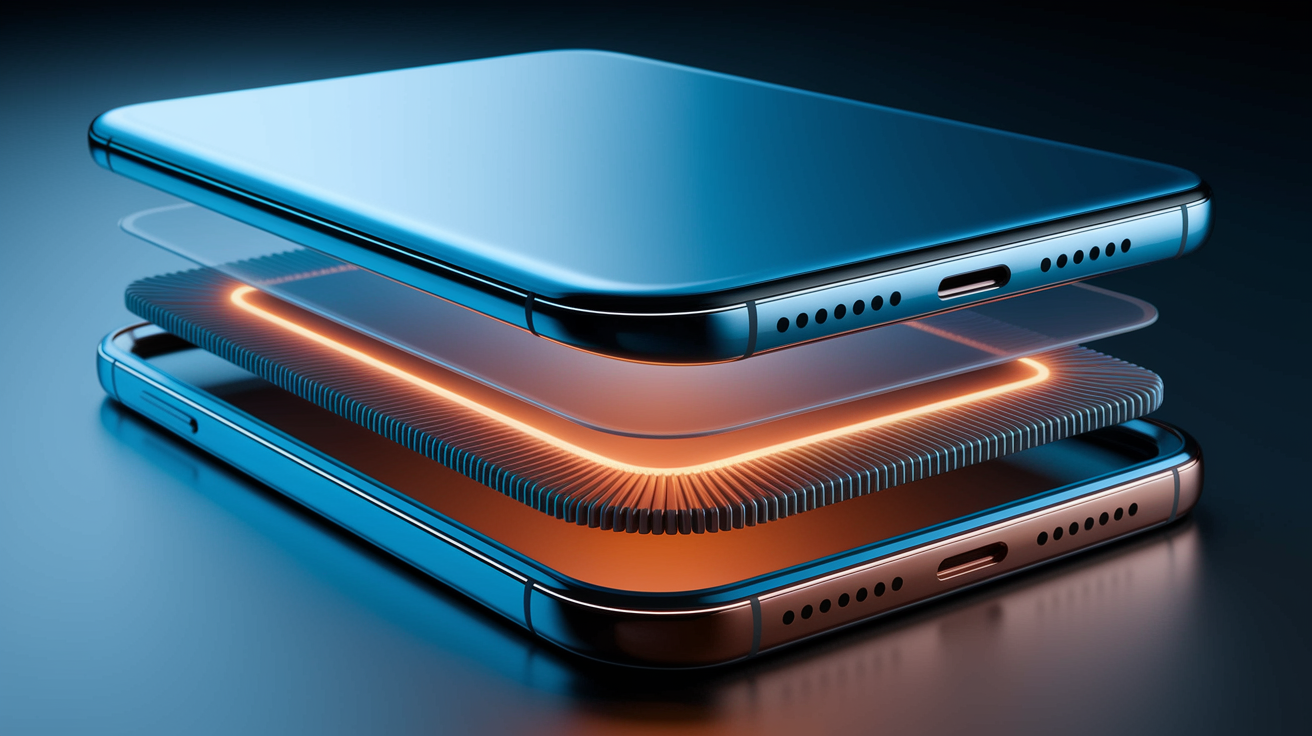
Chipset announcements during flagship launches often dominate the spec list, but raw CPU model numbers matter less than sustained performance and how the phone handles heat. A device equipped with the latest Snapdragon 8 Elite Gen 5 might advertise sustained 4GHz speeds and 4K ray-traced graphics, but if it throttles after a few minutes of heavy use, those peak numbers become marketing fiction. The difference between a flagship chip and a mid-tier processor in everyday tasks is often invisible to most users, which is why evaluating processors means looking past the spec sheet.
What separates a well-implemented chipset from a poorly managed one is sustained performance under load and thermal management. Devices with dedicated cooling solutions like vapor chambers or graphite layers maintain higher performance for longer without overheating or draining the battery. Some previous-generation flagship chips, including certain versions of the Snapdragon 888, had stability issues and excessive heat in real-world use. Newer isn’t always better if the thermal design isn’t solid.
Identifying Real Performance Metrics
Real performance metrics need sustained workload tests, thermal imaging during extended gaming sessions, and real-world app responsiveness measurements. Not synthetic benchmarks that run for seconds. Look for independent reviews that measure CPU and GPU performance after 15–20 minutes of continuous load, frame rate stability during demanding games, and how quickly the device becomes uncomfortably warm. These metrics show whether the phone will stay smooth during long video calls, extended navigation, or mobile gaming marathons. That matters way more than a high Geekbench score captured in ideal conditions.
Next-gen chipsets get overhyped at launch because manufacturers focus on peak theoretical performance while downplaying real-world constraints. Mid-tier flagship chips, like the Snapdragon 870 in value-focused devices, often offer better stability, lower heat output, and longer sustained performance than bleeding-edge silicon that hasn’t been refined yet. If the new flagship chip doesn’t deliver measurable improvements in the tasks you perform daily, the previous generation’s proven thermal behavior and lower cost might be the smarter choice.
Camera System Priorities to Watch in a Flagship Smartphone Reveal
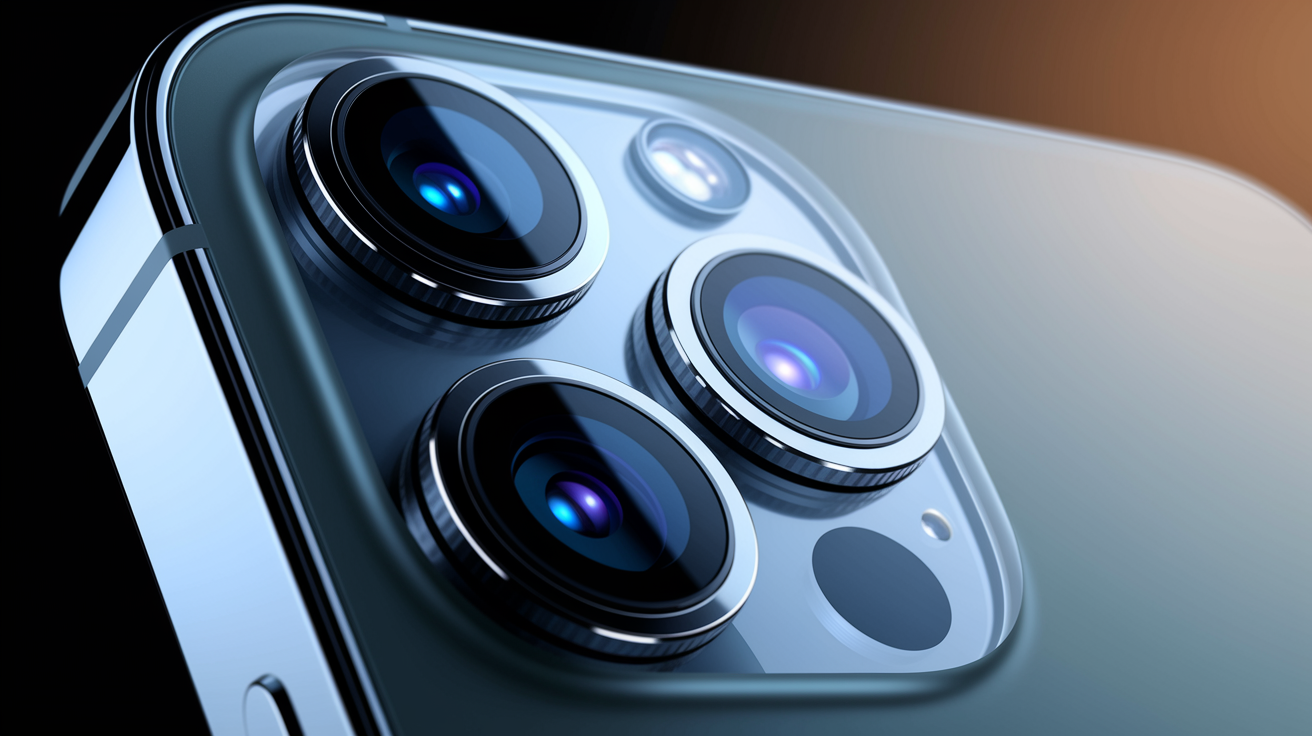
Most flagship camera systems now include at least three lenses: a main wide sensor, an ultrawide, and a telephoto lens. High-end models like the Galaxy S Ultra series add advanced periscope telephoto modules capable of up to 10x lossless zoom. The quality of these lenses, their sensor sizes, and the image processing pipeline matter way more than the megapixel count on the spec sheet. A 50-megapixel main sensor with a large 1/1.3-inch sensor and optical image stabilization will consistently outperform a 108-megapixel camera with a smaller sensor and no stabilization, especially in challenging lighting.
Computational photography has become the defining feature of modern flagship cameras. It enables capabilities that were impossible with hardware alone. AI-driven object erasure removes unwanted elements from photos, advanced night modes stack multiple exposures to produce clear low-light images, and automatic stabilization during video recording approaches gimbal-level smoothness. Flagships in 2026 can record and edit 8K video on-device, apply real-time portrait separation with accurate edge detection, and adjust exposure and white balance intelligently across multi-frame captures. These software-driven improvements often deliver more noticeable gains than adding another lens or increasing sensor resolution.
Marketing traps in camera specs usually emphasize megapixel counts without disclosing sensor size, processing improvements, or real-world sample quality. A phone advertised with a 200-megapixel sensor might pixel-bin down to 12.5 or 50 megapixels in actual use, making the headline number nearly irrelevant. Claims of “AI-enhanced photography” mean little without details on what the AI actually does, whether it improves dynamic range, reduces noise, or simply applies heavy post-processing that flattens image detail.
| Feature | Why It Matters |
|---|---|
| Optical Image Stabilization (OIS) | Reduces blur in photos and steadies video, especially in low light or while moving |
| Telephoto lens range (5x–10x lossless) | Enables true optical zoom without quality loss; essential for distant subjects |
| Sensor size (1/1.3-inch or larger) | Captures more light, improves low-light performance and dynamic range |
| Computational photography features | Enables advanced night modes, object removal, HDR stacking, and real-time edits |
| Video stabilization systems | Produces smooth, professional-looking video without external gimbals |
Understanding Display and Build Quality in New Flagship Smartphones
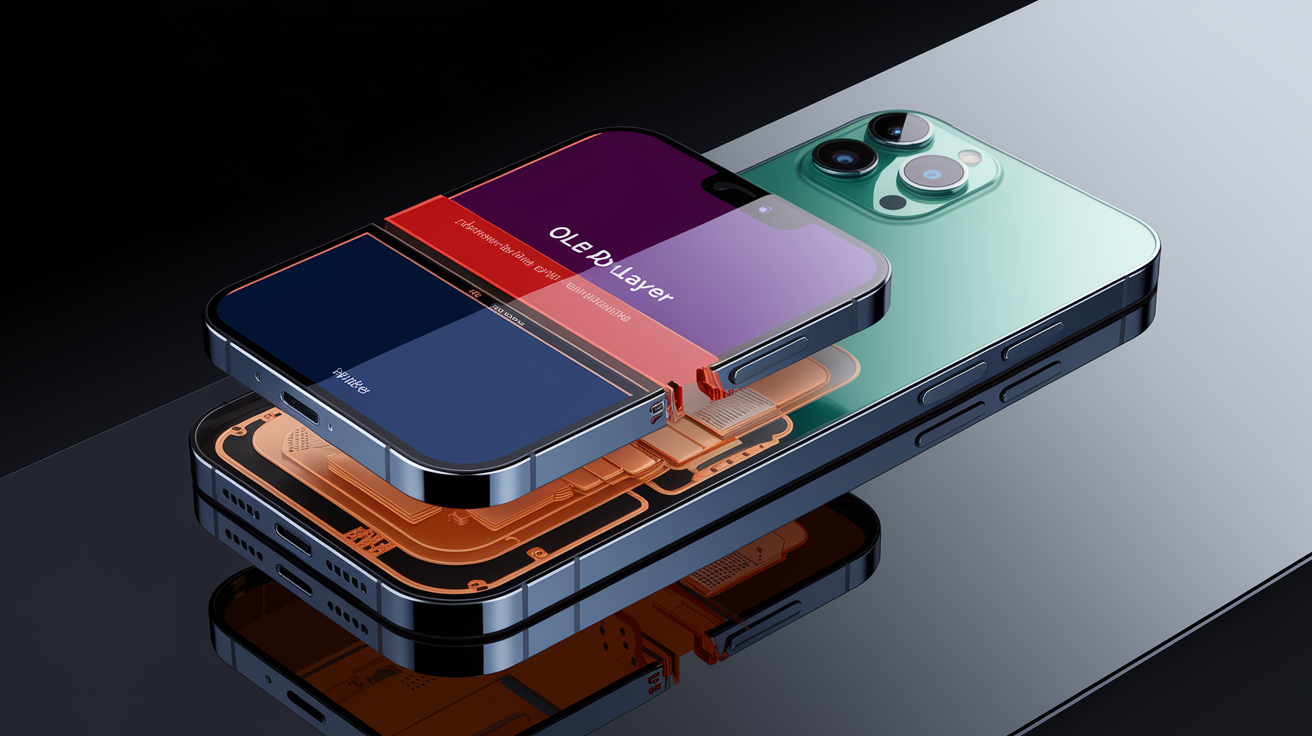
Display tech in flagships now centers on OLED and AMOLED panels with adaptive refresh rates, high peak brightness, and advanced coatings that reduce reflections and improve outdoor visibility. LTPO displays can dynamically adjust refresh rates between 1Hz and 144Hz, conserving battery when displaying static content and ramping up to smooth motion during scrolling or gaming. Peak brightness levels approaching 2,500 nits keep the screen legible in direct sunlight, while anti-reflective glass layers like Gorilla Glass Armor reduce glare and protect against scratches. These features combine to create a display that’s both practical for daily use and visually impressive for media consumption.
Durability markers extend beyond the screen to the entire device construction. IP69 water and dust resistance ratings mean the phone can withstand submersion and high-pressure water jets, far exceeding the typical IP68 standard. Frame materials matter. Titanium and aerospace-grade aluminum offer strength without excessive weight, while ceramic backs provide scratch resistance that glass can’t match. Ultrasonic under-glass fingerprint sensors work reliably even when the screen is wet or dirty, a practical advantage over optical sensors. Ergonomic design elements like sub-2mm bezels and controlled curve edges improve usability without adding fragility or accidental touch issues.
Key display and build specs to check at launch:
- Peak brightness measurement in nits and whether the display includes anti-reflective coatings
- Adaptive refresh rate range (LTPO 1–144Hz is ideal) and how it manages battery life
- Panel type (AMOLED preferred) and HDR certification (HDR10+, Dolby Vision)
- IP rating for water and dust resistance (IP68 minimum, IP69 for premium durability)
- Frame and back materials (titanium, ceramic, reinforced glass) and their impact on drop protection
- Fingerprint sensor type (ultrasonic preferred for reliability) and placement ergonomics
Battery Capacity, Charging Speed, and Real-World Endurance in Flagship Phones
Battery capacity in modern flagships has grown thanks to silicon-carbon cell technology. Ultra-slim devices now house batteries around 5,500mAh without adding bulk. These batteries can deliver up to 20 hours of continuous video playback under manufacturer testing, though real-world endurance depends heavily on usage patterns, display brightness, and background activity. For light to moderate users who primarily text, browse, and stream, two-day battery life is increasingly achievable. Especially when paired with AI-assisted power management that adjusts background tasks, screen brightness, and refresh rates automatically based on usage patterns.
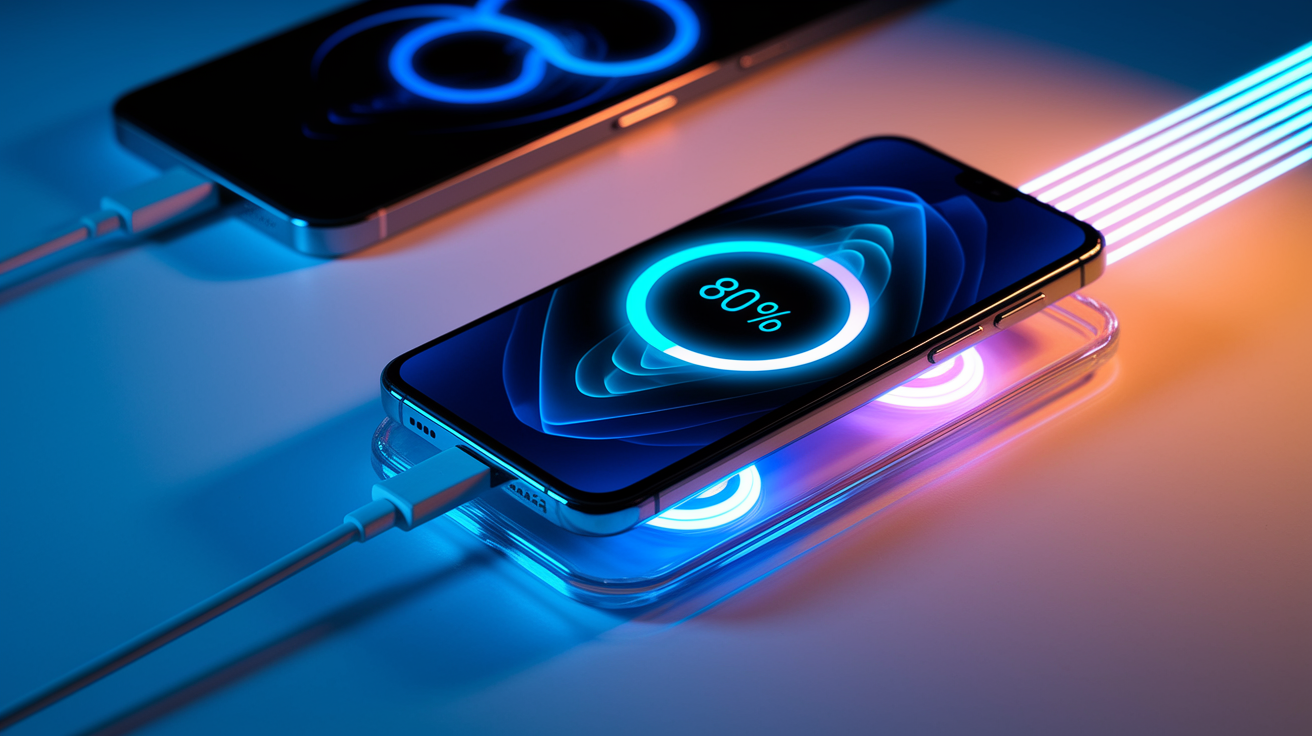
Charging speed has become a critical differentiator. Cutting-edge flagships offer up to 120W wired charging and up to 50W wireless charging. A 120W charger can take a flagship battery from empty to 80% in roughly 15 minutes, transforming charging from a long interruption into a quick top-up during a morning routine. Wireless charging at 50W approaches the speed of many older wired chargers, making it practical for overnight charging or desk use without the wear on USB-C ports. These speeds do introduce concerns about long-term battery health, so manufacturers increasingly include adaptive charging features that slow the final 20% of charging and learn user habits to minimize time spent at 100% charge.
Real-world endurance expectations should account for display technology and user behavior. An LTPO adaptive display that drops to 1Hz when reading static content will extend battery life significantly compared to a fixed 120Hz panel. AI power optimization features monitor which apps drain the most power, intelligently restrict background activity for rarely used apps, and adjust system performance dynamically. Users who game heavily, shoot video, or use GPS navigation will see shorter endurance than those who primarily consume text and social media. Assessing battery life requires matching the rated capacity and charging speed to your actual daily demands.
Software Support, Update Policies, and Long-Term Value of Flagship Smartphones
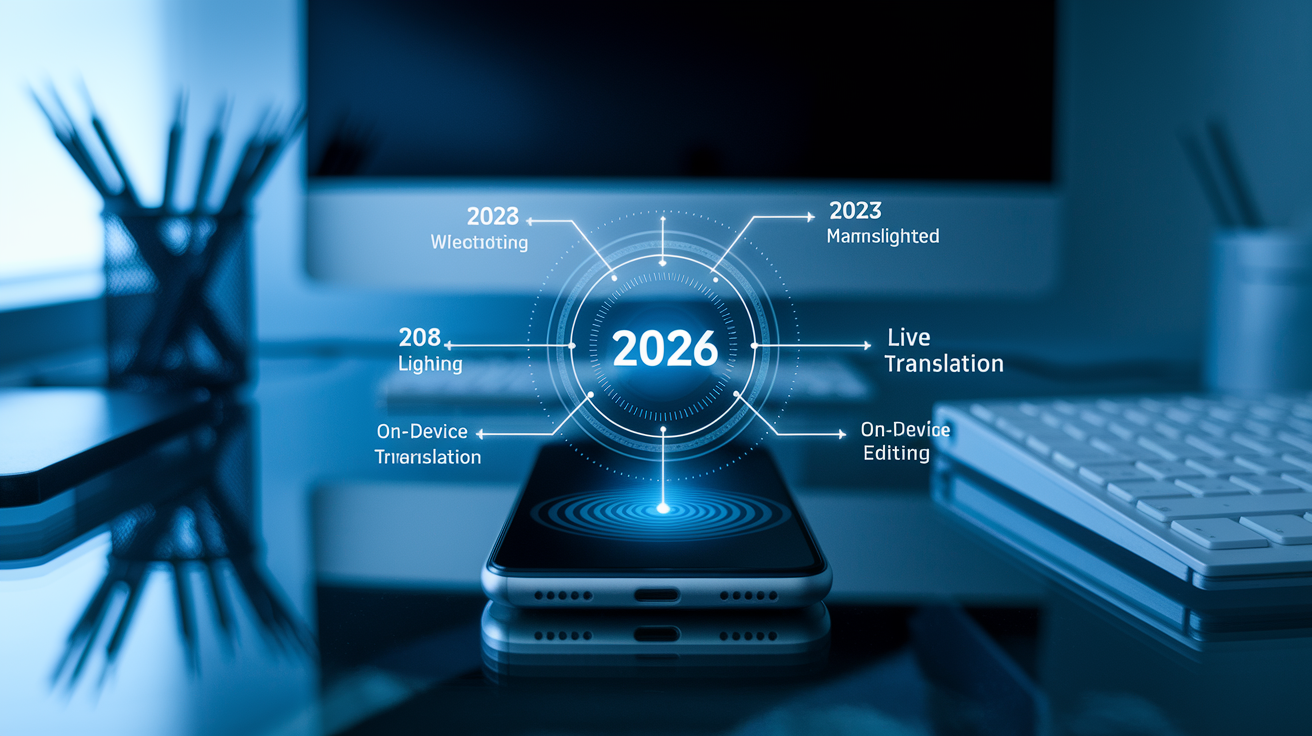
Software update commitments have become one of the most important specs to evaluate at a flagship launch because they directly determine how long the device remains secure, functional, and compatible with new apps. Top-tier flagships in 2026 now offer 7-year update promises, covering both major OS upgrades and monthly security patches, compared to the typical 3 OS cycles provided by many mid-range devices. This extended support transforms a flagship from a 2–3 year purchase into a 5–7 year investment, dramatically improving total cost of ownership and resale value. A device guaranteed to receive updates through 2033 will remain usable and secure far longer than a cheaper phone abandoned by its manufacturer after a few years.
Software-driven capabilities now differentiate flagships as much as hardware. On-device AI enables live language translation during calls, automatic voice-note summaries, and real-time photo editing without sending data to the cloud, preserving privacy and enabling functionality even offline. These features rely on both the chipset’s neural processing unit and ongoing software optimization delivered through updates. Camera processing improvements, battery management algorithms, and performance tuning often arrive through post-launch updates, meaning a flagship’s capabilities can improve over time rather than degrade.
Evaluating Long-Term Ownership Costs
Update length directly affects resale value because buyers pay a premium for devices that remain current. A flagship with 7 years of guaranteed updates will command higher resale prices in year 3 or 4 than a competing device nearing the end of its support window. When calculating total ownership cost, factor in both the initial purchase price and the expected resale value at your typical upgrade interval. A $1,200 flagship with 7-year support that sells for $500 after three years effectively costs $700 over that period, while a $900 device with 3-year support might sell for only $200 after the same interval, resulting in a net cost of $700. The same total despite the lower entry price. Long update commitments reduce this depreciation curve and provide more flexibility to delay upgrades without security or compatibility concerns.
Pricing Strategy, Value Proposition, and Competitor Comparison at Launch

Launch pricing for flagships typically includes a significant premium that reflects the manufacturer’s positioning strategy, early-adopter demand, and the cost of cutting-edge components. A new flagship often costs about $600 more than a capable mid-range device, and that premium is hardest to justify right after launch when depreciation is steepest. Flagship smartphones commonly lose 20–30% of their value within the first few months. A $1,200 device can drop to $840–$960 relatively quickly. After one year, depreciation often reaches 40–50%, leaving the same phone worth $600–$700. Understanding this pattern helps determine whether paying full launch price makes sense or if waiting 3–4 months for the price to stabilize is the better strategy.
Comparing new models against competitors and previous-generation flagships reveals the true value proposition. If the new flagship delivers only incremental improvements, say a slightly faster processor and a minor camera spec bump, while last year’s model is now available at a 40–50% discount following the new announcement, the older device often represents better value. Look at direct competitors launched around the same time and compare their specs in the categories that matter most to you: battery life, camera quality, software support length, and build durability. A device that excels in three of these areas but trails in one may be a better fit than a phone that’s average across all categories.
Trade-in programs and promotional offers can make high launch prices more reasonable by offsetting the upfront cost. Carrier and manufacturer trade-in deals frequently offer $800–$1,000 off when you surrender an older device, effectively reducing the new flagship’s cost to $200–$400. These promos are most generous at launch and during major shopping events. They transform the value equation by reducing the net cash outlay and simplifying the resale process. However, trade-in values are usually lower than selling directly to another user, so compare the convenience of an instant trade-in against the higher price you might get listing the device yourself 1–2 months before the new model launches.
Key checks to assess value proposition at launch:
- Compare launch price to expected 3–4 month pricing based on previous models’ depreciation curves
- Evaluate the new device against the previous generation’s discounted price and feature set
- Check direct competitors’ pricing and specs in the same flagship tier
- Review trade-in offers from carriers and manufacturers and compare to potential private resale value
- Calculate total cost of ownership over your expected upgrade interval, factoring in resale value and update length
Recognizing Marketing Tactics and Distinguishing Real Innovation at Smartphone Launches

Marketing tactics at flagship launches often emphasize single benchmark scores, vague AI claims, and headline specs that sound impressive but deliver minimal real-world improvement. A manufacturer might highlight a record-breaking Geekbench score without disclosing that the device throttles performance after 60 seconds, or tout a “next-generation AI chipset” without explaining what tasks the AI actually accelerates. Megapixel inflation is one of the most common tactics, promoting a 200-megapixel camera when the phone bins those pixels down to 12 or 50 megapixels in practice, making the large number functionally irrelevant. These claims aren’t false, but they’re framed to obscure trade-offs and exaggerate practical benefits.
Genuine innovation is identifiable by measurable improvements that change daily use. A new battery chemistry that increases capacity by 20% while reducing thickness is meaningful. A camera system that delivers noticeably better low-light performance thanks to a larger sensor and improved computational stacking represents real progress. A shift from 3-year to 7-year software support fundamentally alters the device’s long-term value. Compare the new flagship to its predecessor across specific, testable criteria: sustained CPU performance under load, measured display brightness, actual battery endurance in standardized tests, and guaranteed update timelines. That separates incremental spec bumps from transformative upgrades. If the improvements are concentrated in areas that don’t affect your usage, the innovation is real but not relevant to you.
| Marketing Claim | What to Verify |
|---|---|
| “Record-breaking benchmark performance” | Check sustained performance tests and thermal behavior after extended use |
| “Next-gen AI capabilities” | Identify specific AI features, whether they run on-device, and what tasks they improve |
| “Ultra-high megapixel camera” | Confirm sensor size, whether pixel binning is used, and review real-world photo samples |
| “All-day battery life” | Look for mAh capacity, independent endurance tests, and real-world usage reports |
Final Words
At launch, skip slogans — focus on real gains in processor, camera, display, battery, software support, and overall value.
Use the checklist here: sustained performance, sensor size, refresh rate, charging speed, update promises, and price comparisons. Many upgrades are incremental; expect 20–30% early depreciation and common price drops after 3–4 months.
As you decide, weigh those checks against resale and timing — and remember what to look for in a flagship smartphone launch: true performance, camera and battery gains, and long software support. Make the call with confidence.
FAQ
Q: Which flagship phone should I get?
A: The flagship phone you should get depends on what you prioritize: camera quality (Pixel or Samsung), battery life (OnePlus or ASUS), raw speed (latest Snapdragon devices), or long software support (Apple, Google).
Q: What is special about flagship phones?
A: Flagship phones are special because they combine the fastest processors, multi‑lens cameras, high‑refresh premium displays, and premium materials, serving as a brand’s showcase for the latest hardware and software features.
Q: What is the best flagship phone right now?
A: The best flagship phone right now depends on your priorities; objectively, pick the device leading in sustained performance, camera consistency, and long software support—verify with recent hands‑on reviews and sustained benchmark tests.
Q: Which phone is a flagship killer?
A: A flagship killer is a phone that matches flagship performance and features at a much lower price; recent examples come from OnePlus Nord, Xiaomi’s Redmi K series, and Realme’s GT lineup delivering high specs for less.